
What is celandine?
Celandine, also known as greater celandine, belongs to the poppy family. Its characteristic feature is the yellow-orange milky sap that oozes out when stems are broken. The plant commonly grows on walls, roadsides, and in gardens.
Historically, celandine was mentioned in various ways within the herbal tradition – including in connection with skin concerns and as part of various historical accounts.
Celandine – what was it traditionally used for?
The best-known application is celandine against warts. The plant's sap was traditionally applied directly to the wart.
Phytotherapy experts attribute this to the alkaloids it contains, such as chelidonine, which can have cell-damaging effects. (Source: Pharmazeutische Zeitung)
The Federal Institute for Drugs and Medical Devices (BfArM) also points out that celandine is pharmacologically active, but not without risks. (Source: BfArM)
Matching this article
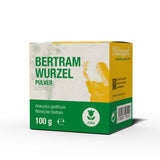
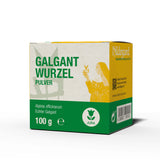
Celandine for warts – sensible or risky?
Many users report their experiences with celandine for warts. At the same time, dermatologists warn against applying the plant sap in an uncontrolled manner, as it can cause skin irritation, chemical burns, and scarring.
Expert opinion: Warts should be assessed by a doctor – especially in children, on the face, or in the intimate area. Herbal self-treatments carry risks.
Celandine tincture & internal use
In the past, celandine was also used internally. This is now explicitly advised against.
According to the European Medicines Agency (EMA), internal use is associated with liver damage. (Source: EMA)
Is celandine toxic?
Yes – celandine contains toxic alkaloids. Particularly dangerous is:
- internal use without medical supervision
- use in children
- contact with eyes or mucous membranes
Experts strongly advise against preparing or consuming celandine as a tea, tincture, or juice.
Celandine & Hildegard von Bingen – a distinction
Celandine plays no central role in
These include, among others:
- Galangal in Hildegard's teachings
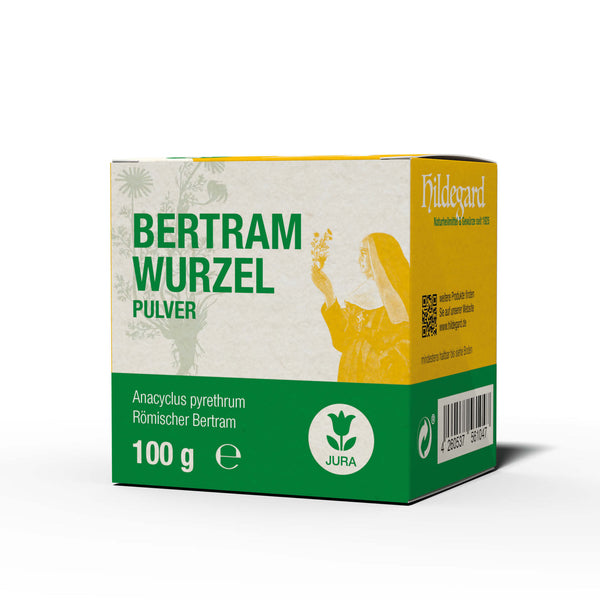
- Pellitory root powder
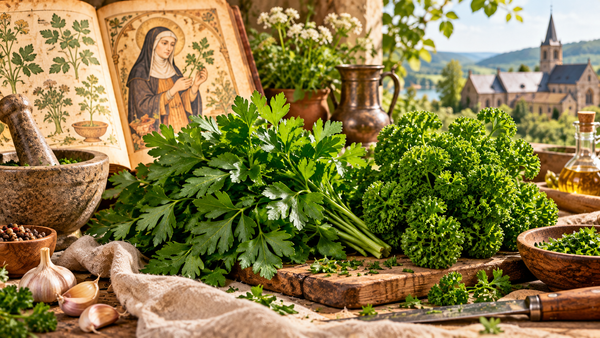
- Herbs and spices according to Hildegard's teachings
Identifying celandine & risk of confusion
Celandine is relatively easy to identify:
- yellow four-petalled flowers
- soft, pinnate leaves
- orange-coloured milky sap
Nevertheless, there is a risk of confusion with other wild plants. Experts therefore recommend only using wild herbs when they have been clearly identified.
Conclusion: caution with celandine
Celandine is a highly potent but risky plant. While external application for warts is traditionally well known, modern experts advise against internal use.
Those interested in herbs and mindful nutrition will find better-tolerated and more versatile alternatives in Hildegard's teachings.