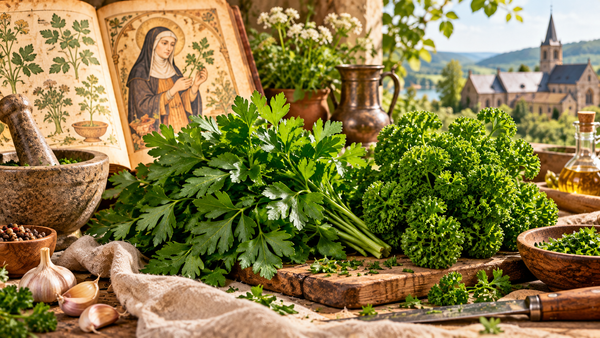

Fennel tea is a true all-rounder – not only for its flavour, but above all as a fixed ritual in everyday life. If you have already tried it, you know how soothing and pleasant it can taste. But what makes this tea so special? In this blog I would like to show you why fennel tea plays such an important role in herbalism – and especially in Hildegard's teachings – and why it can be a wonderful companion in everyday life.
What is fennel tea?
Fennel is a plant that has been valued in herbalism for centuries. You have surely already experienced the sweet, slightly liquorice-reminiscent taste of fennel tea. Fennel contains essential oils that give it its characteristic aroma. Hildegard von Bingen also devoted special attention to fennel in her writings – it is one of the plants that plays a central role in her teachings. Simple to prepare, fennel tea is a perfect companion for the day.
Fennel tea – a classic in herbalism
Fennel tea is not only delicious, but also has a long tradition. It is one of the best-known herbal teas of all and is appreciated by many people as a fixed ritual. Here are some reasons why fennel tea is so popular:
A classic after meals
Do you know the feeling of being somehow sluggish after a hearty meal or a full stomach? Then fennel tea is the perfect companion! Many people enjoy drinking it after eating as a mindful ritual. I personally often drink fennel tea after lunch – simply as a small, mindful moment for myself.
A soothing aroma
The gentle, slightly sweet aroma of fennel tea makes it a pleasant drink in any situation. Whether after a long day or simply as a conscious break in between – fennel tea invites you to pause for a moment and savour it.
Tradition in herbalism
Fennel tea has a long history in herbalism. Hildegard von Bingen already attributed special significance to fennel in her works. Even today it remains one of the most popular herbal teas – and for good reason: its mild, pleasant aroma makes it the ideal everyday companion.
Why fennel tea is so popular:
| Property | What makes fennel tea special |
|---|---|
| Taste | Mild, slightly sweet with a delicate anise note |
| Tradition | An integral part of herbalism for centuries |
| Versatility | Suits any time of day – in the morning, after meals or in the evening |
Matching this article
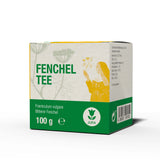
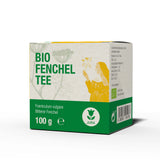
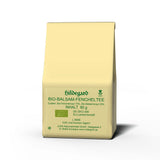

Fennel tea during pregnancy and breastfeeding
Fennel tea is also appreciated by many pregnant women and nursing mothers – but of course not without keeping a few things in mind.
Fennel tea during pregnancy
If you are pregnant, it is especially important to rely on natural drinks. Fennel tea is a mild, pleasantly flavoured tea that can easily be integrated into everyday life. Nevertheless, the rule applies: even with fennel tea, you should not overdo it. In moderation, however, it is a wonderful companion during this special time.
Fennel tea during breastfeeding
For nursing mothers, fennel tea is also a popular drink. It traditionally belongs to the herbal teas that are gladly consumed during breastfeeding, and at the same time offers you a little time out to relax. Many mothers appreciate fennel tea as a fixed ritual during the breastfeeding period.
Fennel tea during pregnancy and breastfeeding:
| Period | Why it is popular | Note |
|---|---|---|
| Pregnancy | Mild taste, pleasant aroma | Enjoy in moderation |
| Breastfeeding | Traditionally popular herbal tea during breastfeeding | Here too, preferably in small quantities |
Fennel tea for babies and toddlers
Fennel tea is one of the herbal teas that is traditionally also prepared for the very youngest. Many parents know it as a mild, gentle tea for babies.
Fennel tea for infants
For infants, fennel tea is a well-known choice among herbal teas. The tea should always be given in a very low concentration and only in consultation with the paediatrician. A small amount of fennel tea is perfectly sufficient here.
Dosage and safety
It is important to observe the correct dosage, especially for babies and toddlers. The tea should always be prepared in a very weak concentration. This makes it gentle and safe for your baby. If in doubt, always consult the paediatrician.
Fennel tea as an everyday ritual
Fennel tea is not only a classic of herbalism, but is also wonderfully suited as a mindful ritual in everyday life – regardless of the time of day.
Fennel tea after meals
Who doesn't know it: simply pausing for a moment after a substantial meal. Fennel tea is perfect as a small ritual after eating. You can simply enjoy a cup and treat yourself to a mindful moment.
Fennel tea in the evening
Fennel tea has a mild, pleasant aroma that makes it a lovely drink for the evening. If you want to wind down after a long day, a cup of fennel tea can be a beautiful evening ritual. Especially before going to bed it is ideal for consciously letting the day draw to a close.
The right way to prepare fennel tea
Preparing fennel tea is really simple – you really can't go wrong. I like to prepare it like this:
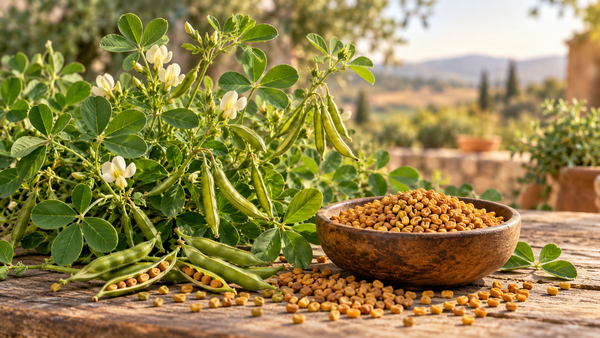
- Place one teaspoon of fennel seeds in a cup or teapot.
- Pour over hot but not boiling water (the water should be approximately 90°C).
- Leave the tea to steep for 5–10 minutes, depending on how intense you want the flavour.
- Strain through a sieve and enjoy.
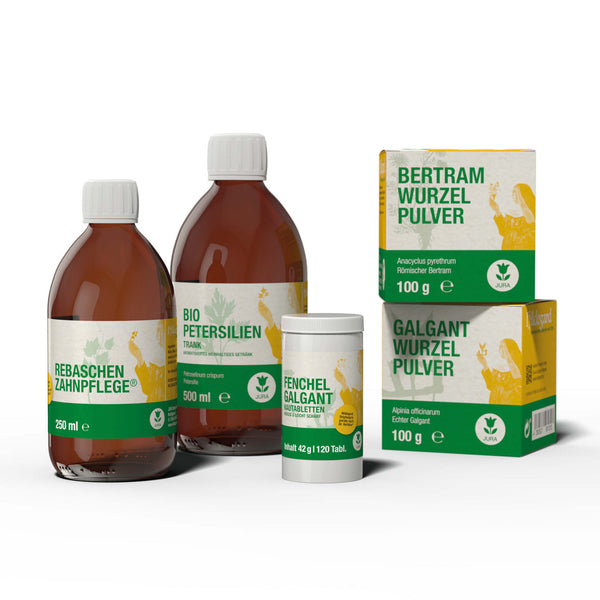
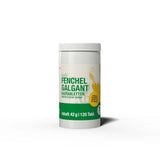
You can drink fennel tea daily without hesitation – 1–2 cups make a lovely everyday ritual. Also try our fennel-galangal tablets as a practical alternative when on the go.
Conclusion: Why fennel tea is a wonderful companion
Fennel tea is far more than just a simple drink. It is a true classic of herbalism with a long tradition – including in Hildegard's teachings. It is not only a great companion for adults, but is also traditionally valued for babies and during pregnancy. So the next time you need a soothing tea, simply reach for fennel tea – a classic that never goes out of fashion.