Original Hildegard recipe for 45 years

Recommended by naturopaths & doctors

Hildegard von Bingen fasting

Discover fasting inspired by Hildegard von Bingen—a centuries-old tradition that nurtures your body, mind, and soul. Inspired by the visionary and Benedictine, this fasting ritual is about more than just giving things up: it’s a mindful path to inner clarity and a conscious lifestyle. In this collection, you’ll find carefully selected products to support you during your fasting journey.

What is fasting according to Hildegard von Bingen?

Fasting according to Hildegard von Bingen is way more than just a short-term diet – it’s a holistic lifestyle practice. The Benedictine nun saw fasting as a mindful break on every level: physical, emotional, and mental. It’s not about deprivation or starving yourself, but about intentionally leaving out heavy foods, eating mindfully, and taking pauses in your daily routine.

Typical for Hildegard fasting are simple, easy-to-digest dishes like spelt meals, clear vegetable broths, and herbal teas. The fasting period is rounded out with times of rest, prayer, or meditation—whatever you personally need. This tradition brings together mindful eating, inner reflection, and a fresh, intentional reset.

Fasting according to Hildegard von Bingen

Fasting according to Hildegard von Bingen

When fasting according to Hildegard von Bingen, selected foods and mindful rituals take center stage. The focus is on spelt – a grain Hildegard called “the best of all grains.” The menu is rounded out with steamed veggies, herbs like galangal or bertram, and herbal teas like fennel tea.

This fasting tradition intentionally skips industrial sugar, animal fats, and heavily processed foods. Instead, it focuses on easy-to-digest dishes and herbs from Hildegard’s teachings.

Whether you’re doing it for a few days or a whole week, Hildegard fasting is great for both beginners and seasoned fasters. It brings together ancient wisdom and modern mindfulness. Find out more in the blog post on Hildegard fasting.
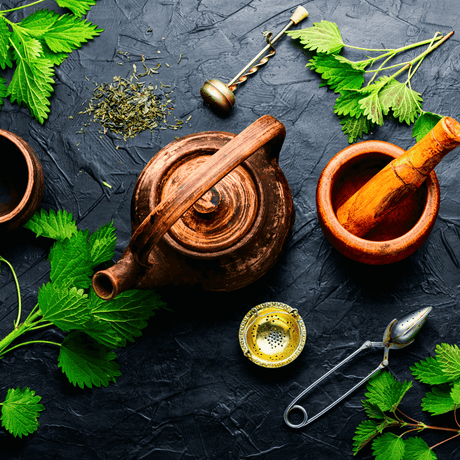
Hildegard von Bingen's fasting instructions

A fasting regimen inspired by Hildegard von Bingen follows a clear but gentle rhythm—tailored to each person’s needs and always in harmony with nature. At its core is the conscious choice to give your body a break while offering new inspiration to your mind and soul. Preparation is just as important as the fasting itself.

1. Preparation:
A gentle start usually means cutting back on foods that weigh you down, like coffee, alcohol, sugar, or meat. In the days leading up to the fast, you gradually switch to lighter meals—like spelt dishes, soups, and veggies.

2. The fasting days:
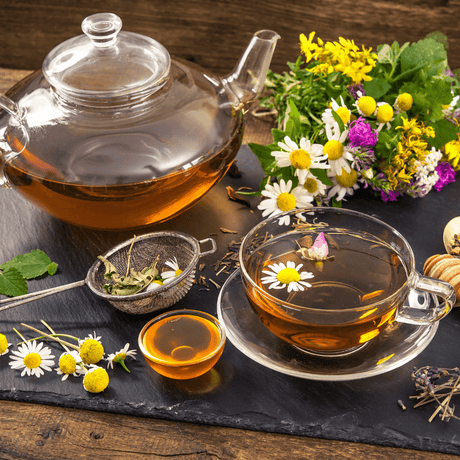
During the fast, you focus on selected foods and drinks—these include spelt soup, clear vegetable broths, herbal teas inspired by Hildegard, and the so-called Habermus (a spelt breakfast porridge). Galgant, Bertram, and Quendel—key Hildegard spices—are a staple in the fasting kitchen. Getting outside for some fresh air, taking breaks, journaling, and quiet moments all round out the fasting experience.

3. The rebuilding days:
After fasting, it’s important to slowly get your body used to regular meals again. Here too, Hildegard-inspired eating stays front and center: light, plant-based, and soothing.

Important: Fasting the Hildegard way isn’t a rigid plan—it’s a living process. You can adapt it to fit you, whether it’s a 3-day fast, a 7-day regimen, or something longer. What matters most is mindfulness: towards yourself, your food, and whatever’s happening inside you.

Frequently asked questions about fasting according to Hildegard von Bingen

1. Who is Hildegard fasting suitable for?

This fasting tradition is great for both beginners and experienced fasters. It’s especially nice for anyone looking for a gentle, mindful break—without extreme hunger—as it offers a soothing alternative.

2. Do I have to completely give up solid food during the fasting period?

No. Unlike strict fasting methods, Hildegard’s tradition allows for light meals. Spelt soup, vegetable porridge, Habermus, or herbal teas are all regular parts of the program.

3. How long should I fast according to Hildegard?

That’s different for everyone. Popular cycles are 3, 5, or 7 days. If you’re more experienced or in a guided fasting group, longer periods are possible. The main thing is to listen to your body’s signals. Find out more in the blog article on fasting.

4. Which products go along with Hildegard fasting?

Ideal choices are spelt products, herbal teas (like fennel, galangal, or bertram), bitter herbs, and care products. You’ll find all of these in our collection—specially curated for your mindful fasting time.

Compare /4

Loading...