Original Hildegard recipe for 45 years

Recommended by naturopaths & doctors

Mulberry leaves


No products found

What are mulberry leaves?

Mulberry leaves come from the mulberry tree—specifically the white mulberry (Morus alba), which originally comes from Asia and is now grown all over the world. It's mainly known because its leaves are the main food source for silkworms. But there's also a lot to discover in these delicate leaves for us humans, too.

The leaves are packed with different botanical compounds like flavonoids and minerals. They're especially popular dried as a tea or as part of herbal blends. In traditional herbal medicine across different cultures, they've had a solid place for centuries.

Today, mulberry leaves are making a real comeback—as a fascinating part of a mindful lifestyle.

Effects of Mulberry Leaves

Mulberry leaves in herbal tradition

Mulberry leaves have been valued in many cultures for a long time. Among other things, they contain the botanical compound DNJ (1-Deoxynojirimycin), which is currently being researched.

The leaves also contain various plant compounds, making them an interesting herb in herbal traditions.

In traditional herbal practices, mulberry leaves have been appreciated for centuries—as a versatile herb that many people enjoy as a tea or in herbal blends.

Usage instructions

Mulberry leaves are generally considered well-tolerated, especially when enjoyed as tea. Still, there are a few things to keep in mind.

People with sensitive stomachs might occasionally experience mild discomfort at higher doses. If you take medication regularly, it's a good idea to check with your doctor before using them.

There aren't enough studies yet for pregnant or breastfeeding women and children, so it's best to be cautious in these cases. As always with botanical products: quality, origin, and moderate use are key.

Mulberry Leaf Tea – Preparation and Taste

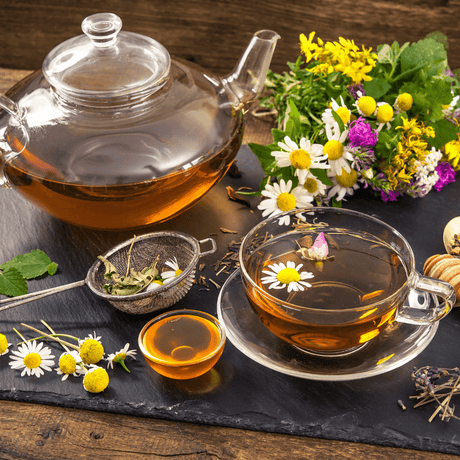
Mulberry leaves have a really pleasant aroma, especially when brewed as a tea. The infusion tastes mild, slightly earthy, and a bit like green tea—but without any caffeine. That’s why it’s great for evenings or for anyone who’s sensitive to caffeine.

A lot of people enjoy mulberry leaf tea as a mindful ritual in their daily routine—a warm drink with tradition and a gentle flavor.

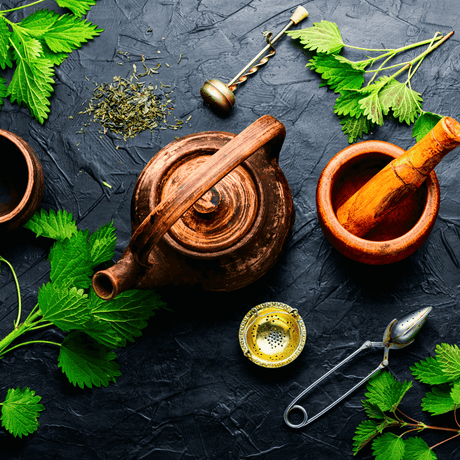
It’s super easy to make: Just pour hot, but not boiling, water over one or two teaspoons of dried mulberry leaves, let it steep for about 5–10 minutes—and you’re done. If you want, you can add a slice of lemon or a bit of mint to jazz it up.

Here’s a little tip: Homemade mulberry leaf tea from your own garden or from trusted sources isn’t just extra fresh, it’s also a lovely way to connect with nature.

Mulberry Leaf Tea

Buy mulberry leaf tea

If you want to try mulberry leaf tea, you'll now find a great selection—both online and in drugstores. The tea usually comes in handy tea bags, often in organic quality.

Health food stores, pharmacies, and specialized online shops also offer high-quality options—loose, in bags, or as powder. When buying, it's worth paying attention to organic certification, origin, and gentle processing. Quality really makes a difference in taste when it comes to herbal teas.

For everyone who values regional products: there are now suppliers who offer mulberry leaves grown in Germany or Europe. Check out our organic mulberry drink and our full range inspired by Hildegard’s teachings.
Compare /4

Loading...