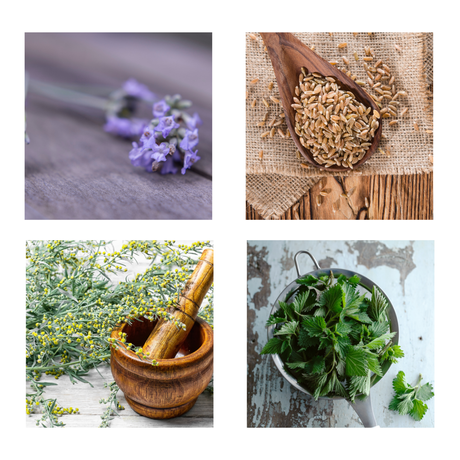
A lot of people know the feeling: trouble falling asleep, waking up at night, feeling exhausted in the morning. These are issues as old as humanity itself. Hildegard of Bingen knew them well. In her writings from the 12th century, she describes sleep as part of a holistic balance of body, mind, and soul—and shares concrete, surprisingly practical advice. What still fascinates us today? Quite a lot.
What Hildegard of Bingen wrote about sleep
For Hildegard, sleep wasn’t a passive state, but an active phase of renewal. Vitality—what Hildegard called Viriditas, the greening life force of nature—was, in her view, renewed during sleep.
Hildegard distinguished between different causes of sleep problems. A key concept was melancholy—an excess of black bile in her theory of bodily fluids.
Besides melancholy, Hildegard also described practical causes: heavy dinners, the wrong kind of light at the wrong time, bedrooms that are too hot or too cold. Her advice covers all these areas—nutrition, herbs, daily rhythm, and caring for the soul.
Sleep rhythm according to Hildegard—Balance and routine as the basic principle
The word that best sums up Hildegard’s whole philosophy of life is “the right balance”. Too much sleep was just as bad as too little, in her eyes. She recommended getting sleepy when it gets dark and waking up with the light—a rhythm that follows the natural light cycle.
Hildegard also suggested dividing the day into clear phases: work in the morning and midday, rest and reflection in the early evening, and no heavy meals after dark. This structure is basically what we now call sleep hygiene.
Hildegard’s herbs as evening rituals
Hildegard’s most practical contribution to sleep is her herbal wisdom. Some of her recommendations are still known in modern herbal medicine—others are almost forgotten and deserve a comeback.
Lavender
Lavender was one of Hildegard’s most important herbs. She mentioned it in different contexts—as a tea and as a scent in the bedroom. Lavender scent is now one of the best-known botanical evening rituals.
Fennel
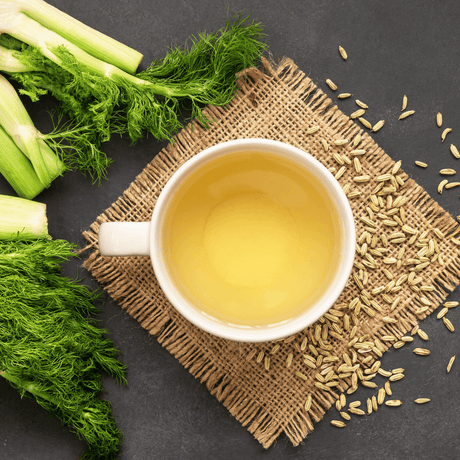
Fennel is a versatile herb in Hildegard’s teachings. A warm fennel tea in the evening is a lovely ritual that many people enjoy to wind down their day.
Quendel (Wild Thyme)
Quendel was specifically mentioned by Hildegard in connection with melancholy—a state of mind she described as especially challenging. An evening cup of quendel tea is a classic in Hildegard’s tradition.
Valerian
Hildegard mentions valerian (Valeriana officinalis) in her writings. Today, valerian is one of the most popular botanical herbs for evening rituals. The European Medicines Agency (EMA) has recognized valerian root as a traditional herbal remedy. In monastic tradition, it was often combined with lemon balm.
Lemon Balm
Lemon balm (Melissa officinalis) is another monastery herb that Hildegard valued for mood and mind. Lemon balm tea in the evening is a popular ritual in herbal traditions.
Hart’s Tongue Fern
Hart’s tongue fern (Asplenium scolopendrium) is one of the most characteristic herbs in Hildegard’s teachings. Our hart’s tongue herbal tonic is one of the best-known preparations from Hildegard’s tradition.
| Herb / Spice | Meaning in Hildegard’s teachings | Evening use |
|---|---|---|
| Lavender | One of Hildegard’s most important herbs | Tea or scent in the bedroom |
| Fennel | Most versatile herb in Hildegard’s writings | Warm tea after dinner |
| Quendel | Mentioned by Hildegard for melancholy | Tea or spice in the evening meal |
| Valerian | Valued in monastic tradition | Tea, 30–60 min. before bed |
| Lemon balm | Valued by Hildegard for mood and mind | Tea, plain or with valerian |
| Hart’s tongue fern | Characteristic Hildegard herb | Herbal tonic, in the afternoon or evening |
Dinner according to Hildegard
Hildegard of Bingen was convinced: what you eat in the evening affects how you sleep. Her tips for dinner are clear: light, warm, early. A spelt soup with veggies, warm spelt bread with herb butter, or a veggie broth with fennel—these are evening meals totally in line with Hildegard’s teachings.
Read more about the basics of Hildegard nutrition in our nutrition guide.
Cleanses and sleep—mindful rituals throughout the year
The wormwood cleanse in spring is one of the best-known rituals in Hildegard’s teachings. The wormwood tonic is a classic spring cleanse—many people enjoy this tradition as a mindful yearly ritual.
The Bärwurz-Pear Honey Cleanse in autumn is also part of Hildegard’s teachings. Our Hildegard cleanse kits include everything you need for a full cleanse cycle following Hildegard’s approach.
The Role of the Soul – Hildegard’s Holistic Approach
What makes Hildegard’s advice on sleep so special is her holistic perspective. For her, sleep was never just a physical thing. It always reflected your emotional state and spiritual balance.
She recommended using the evening consciously for quiet: no upsetting conversations, no heavy thoughts before bed. Prayers, meditative silence, ending the day with a clear thought – all of this was part of Hildegard’s evening routine.
The Bedroom According to Hildegard
Hildegard placed great importance on the quality of the bedroom.
Temperature: Hildegard recommended a cool, well-ventilated bedroom.
Darkness: For Hildegard, light at the wrong time disrupted the natural rhythm. She suggested avoiding bright lights after nightfall.
Herbal Scents: Hildegard advised using fresh herbs in the bedroom – especially lavender and lemon balm.
Silence: Noise and restlessness, according to Hildegard, disturbed nighttime peace.
Practical Evening Routine Inspired by Hildegard
Based on her writings, you can put together a concrete evening routine Hildegard-style:
6–7 pm – light dinner: Spelt soup, steamed veggies, herbal bread. Seasoned with fennel or wild thyme.
7–8 pm – quiet activities: Hildegard recommended gentle movement after eating. A calm walk or some hands-on work.
8 pm – herbal tea: A warm fennel or lemon balm tea. Enjoy your tea in peace, without distractions.
8–9 pm – evening quiet: No upsetting conversations, no noise, no bright lights. Reading, prayer, silence.
9 pm – bedtime: In a darkened, cool bedroom, ideally with a hint of lavender scent.
Hildegard’s Teachings and Mindful Living
The most common reason for poor sleep these days is stress. Hildegard knew about this too, even if she called it something else. Too much work, mental overload, not being able to let go of the day – she describes all of this in her writings.
Her advice was clear: balance in everything. If you work more than is good for you, you’ll pay with your sleep. For Hildegard, poor sleep was often a sign that you need to reorganize your daily life – not just something a herbal tea can fix.
Frequently Asked Questions About Sleep and Hildegard’s Teachings
Which herbs did Hildegard mention for the evening?
Hildegard mainly mentioned lavender, fennel, and wild thyme in her writings. In monastic tradition, valerian and lemon balm are also valued – both herbs recognized by the EMA as traditional herbal medicines.
What should you avoid eating in the evening according to Hildegard?
Heavy meats, raw foods, cold meals, and too much salt – Hildegard was critical of all these. Her ideal is a light, warm dinner with spelt, steamed veggies, and herbal seasonings, eaten early in the evening.
Can you combine Hildegard’s herbs with medication?
If you’re taking prescription medication, you should always check with a doctor before using herbal remedies. Interactions are possible. Herbal teas as a daily habit are generally safe – if you’re unsure, please talk to your doctor.
Check out our full range inspired by Hildegard’s teachings.