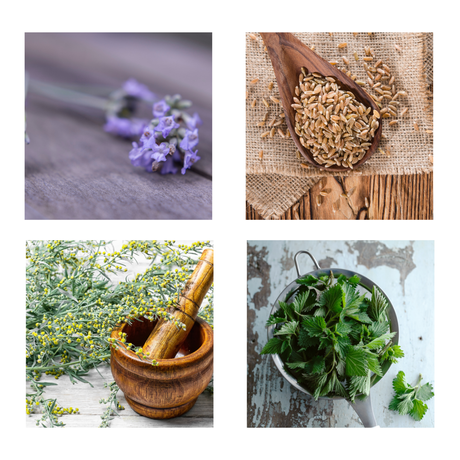
Lots of people get cold hands and feet—especially in the colder months, but sometimes all year round. What's behind it, and what does the Hildegard tradition say about it? This page gives you an overview of possible connections and shows you what the Hildegard approach offers for a warmer everyday life.
Why are my hands always cold? – Possible Causes
Constantly cold hands can have lots of causes. Most of the time, it’s a harmless tendency linked to circulation. But sometimes other factors can play a role. You should see a doctor if your cold hands come on suddenly, are linked to other symptoms, or if your skin color changes.
Circulation and Blood Flow
The most common reason for constantly cold hands is reduced blood flow to your extremities. When it’s cold, your body sends warm blood mainly to the vital organs in your core—so your hands and feet get less. If you have low blood pressure or a less active circulation, this effect is often even stronger.
Lack of Movement
If you don’t move much, your circulation isn’t as active. Physical activity gets your blood flowing and can help your hands and feet stay warmer. Regular movement is a foundation of balanced living in the Hildegard tradition—just like in modern medicine.
Nutrition and Nutrient Supply
A one-sided diet that doesn’t provide enough iron, vitamin B12, or other nutrients can affect blood formation. Nutrition plays a central role in the Hildegard approach to inner balance. Spelt, spices like galangal and bertram, and warming herbal teas are staples in the classic Hildegard kitchen. You can find more on our page about nutrition according to Hildegard von Bingen.
Sensitivity to Cold and Constitution
In the Hildegard tradition, people are seen in terms of their constitution—their temperament. Folks with a cooler, more phlegmatic temperament are considered more sensitive to cold in this tradition. Hildegard recommended warming foods, spices, and a regular daily routine for these people.
Stress and Inner Tension
When you’re stressed, your muscles tense up and your body sends blood mainly to the big muscle groups. So cold hands can also be a sign of ongoing inner tension. Hildegard put a lot of value on rest, sleep, and a steady daily rhythm—things she saw as the basis for inner order.
When should you see a doctor?
Cold hands are usually harmless and just part of your constitution. But you should see a doctor if your hands turn white, blue, or red, if you get numbness or pain, if the symptoms come on suddenly, or if you notice other physical symptoms.
Cold Hands and Feet – A Common Thing
Cold hands often go hand in hand with cold feet. The reason is anatomy: both are far from your heart and are the first to get less blood flow if circulation is low. Women are affected by this more often than men—partly because of hormonal differences.
If you’re always freezing and have cold hands, it’s often due to a strong sensitivity to cold. This can be influenced by a mix of your constitution, lifestyle, and diet.
What does Hildegard von Bingen say about cold and warmth?
Hildegard von Bingen (1098–1179) described the principle of warmth and cold as a basic balance in the human body in her natural science works Physica and Causae et Curae. In her teachings, cold and warmth aren’t enemies—they’re poles that should be brought into healthy balance.
For people who tend to feel cold, Hildegard recommended warming foods and spices, regular meals, exercise in the fresh air, and plenty of sleep and rest. These tips line up with what’s still considered a good foundation for an active circulation today.
Warming Spices from the Hildegard Tradition
Galangal
Galangal (Alpinia officinarum) is probably the best-known spice from the Hildegard kitchen and is described in the tradition as especially warming. Hildegard mentioned galangal more often than any other spice in her writings. You can use it as a powder in food or brew it as a tea. Check out our page on galangal products for more info.
Bertram
Bertram (Anacyclus pyrethrum) is also seen as a warming spice in the Hildegard tradition. In classic herbal lore, it’s often linked to digestion and warmth. It’s great in soups, grain dishes, and sauces. Find out more on our page about bertram root powder.
Cinnamon
Cinnamon is one of the spices Hildegard mentioned in her natural science writings, and it’s considered warming in many cultures. It’s great in porridge, baked goods, or warm drinks, and is a classic in the Hildegard kitchen in fall and winter.
Ginger
Ginger wasn’t directly mentioned by Hildegard, but it’s one of those warming spices that fits perfectly with the spirit of the Hildegard kitchen. As a fresh infusion or in food, it’s a popular part of a mindful, warming diet.
Warming Nutrition – Tips from the Hildegard Tradition
Spelt as a Foundation
Spelt is considered the most valuable grain in the Hildegard tradition. Hildegard described it as easy to digest and recommended it as a daily staple. Spelt porridge or a warm spelt mash in the morning is a great way to start your day the Hildegard way. Check out our spelt products.
Go for Warm Meals
Hildegard recommended warm, cooked meals—especially in the colder months. Raw and cold foods were seen as harder to digest in her teachings. That’s why soups, stews, and warm grain dishes are at the heart of the classic Hildegard kitchen.
Herbal Teas
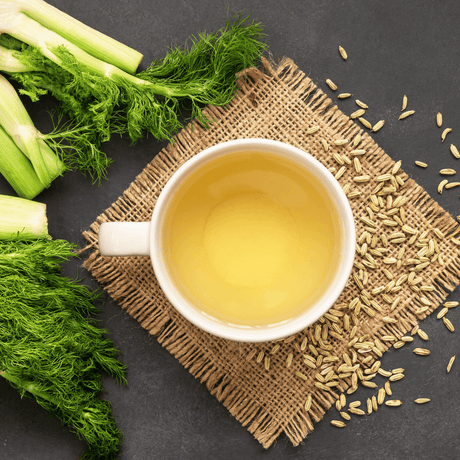
Warm herbal teas are a staple of the Hildegard way of eating. Traditionally, they're enjoyed in moderation and on a regular basis—preferably after meals. Warming teas made from fennel, galangal, or cinnamon are great if you often have cold hands and feet. Check out our herbal teas from the Hildegard tradition.
Regular meals
Having a set meal schedule is a key principle in Hildegard's teachings. If you eat irregularly or too little, Hildegard believed this could throw your body out of balance. Three balanced, warm meals a day are seen as the foundation for inner order in her tradition.
Movement and life rhythm
Hildegard von Bingen put a lot of emphasis on getting fresh air and moving your body. Walking, light physical work, and living in tune with the seasons are cornerstones of her teachings. Even today, it's clear: regular movement gets your circulation going and can help improve blood flow to your hands and feet.
Hildegard also stressed the importance of enough sleep and downtime for inner balance. If you're always tired or stressed, you might be more sensitive to feeling cold.
Further pages on hildegard.de
- Galangal – The heart spice of Hildegard's kitchen
- Bertram root powder – Origins and uses
- Spelt products – Flours, flakes & semolina
- Herbal teas from the Hildegard tradition
- Eating according to Hildegard von Bingen – The basics
- Herbs in the Hildegard tradition – Overview
- Hildegard fasting – What's behind it?
- Spelt in Hildegard's teachings
- Hildegard von Bingen – Life and work
- Galangal – Good to know about the Hildegard plant
Frequently Asked Questions (FAQ)
Why do I always have cold hands?
Most of the time, having cold hands is nothing to worry about: your body manages its temperature by reducing blood flow to your extremities in the cold, focusing on your internal organs. People with low blood pressure, little movement, or a naturally cool constitution—as described in Hildegard's teachings—are more likely to notice this. If you have other symptoms, you should see a doctor.
Why do I always have cold hands and feet?
Cold hands and feet often go together since they're both farthest from your heart and circulation center. Poor peripheral circulation, lack of movement, or a cool constitution can affect both areas at once. In the Hildegard tradition, this is seen as a sign of an imbalance between warmth and cold in the body—which can be influenced by diet, movement, and your daily rhythm.
What helps with constantly cold hands?
Regular movement, warming foods with spices like galangal and bertram, warm herbal teas, and a steady daily routine are all approaches mentioned both today and in the Hildegard tradition. If symptoms persist or are new, it's important to see a doctor.
Why am I always cold and have cold hands?
If you're generally sensitive to cold and often feel chilly, you're probably just more prone to feeling cold. This can be due to your constitution—in Hildegard's teachings, this matches a cooler temperament. Warming foods, regular meals, and enough movement are described in the Hildegard tradition as the basics for a warmer everyday life.
Do diet and spices affect cold hands?
In Hildegard's teachings, diet plays a central role in inner balance. Warming spices like galangal, bertram, and cinnamon, as well as warm, regular meals based on spelt, are staples of the Hildegard way of eating. How much diet affects cold hands varies from person to person—if you have ongoing issues, it's always best to check with a doctor.
Note: This page provides general information about the Hildegard tradition. It does not replace medical advice or diagnosis. If you have health concerns, please contact a doctor.