Lots of people know what it's like to deal with stress, restlessness, and trouble sleeping. Besides medical approaches, there are plenty of plants and herbs that have been talked about for centuries in folk medicine and monastic traditions for their calming and balancing effects. This page gives you an overview of well-known natural botanicals from the Hildegard tradition—no medical promises, just the wisdom passed down through the ages.
Important: If you’re dealing with severe anxiety, ongoing sleep problems, or mental health issues, you should definitely talk to a doctor. Natural herbs can support a mindful lifestyle, but they’re not a replacement for medical treatment.
Calm and Balance in the Hildegard Tradition
Hildegard of Bingen (1098–1179) explored the idea of inner balance in her natural science works Physica and Causae et Curae. In her teachings, body and soul are inseparable. Hildegard saw stress, restlessness, and insomnia as signs of a disturbed inner balance—caused by a poor routine, unsuitable diet, or not enough rest.
That’s why Hildegard recommended not just certain herbs and spices, but above all a regular daily rhythm, enough sleep, fresh air and exercise, and mindful eating. This holistic view is at the heart of the Hildegard approach. You can read more about it on our page about Hildegard-inspired nutrition and Hildegard of Bingen – Life and Work.
Well-Known Botanicals in the Tradition of Natural Calming Remedies
Valerian (Valeriana officinalis)
Valerian is one of the best-known botanicals in European herbal tradition for calm and sleep. Hildegard of Bingen mentioned valerian in her writings and described it as a plant with balancing properties. Traditionally, it’s used as a tea, tincture, or powder.
Lavender (Lavandula angustifolia)
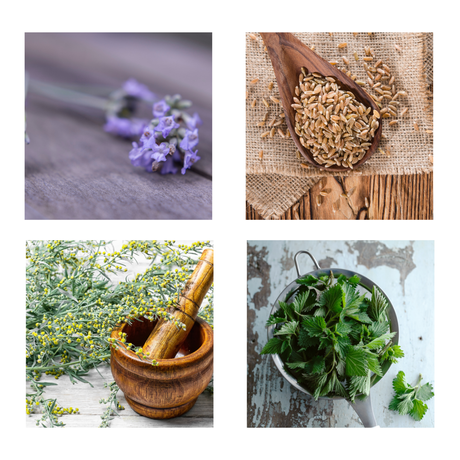
Lavender is one of the most famous aromatic plants in European herbal tradition. In Hildegard’s teachings, lavender is used both internally and externally. Its unique scent has been considered pleasant and balancing for centuries. Whether as a tea, in a pillow, or as an essential oil, lavender is a classic in monastic traditions for a peaceful evening.
Passionflower (Passiflora incarnata)
Passionflower is a more recent addition to European herbal tradition—it originally comes from South America. Today, it’s one of the most commonly mentioned botanicals for inner calm in modern herbal medicine. It’s a popular ingredient in plant-based blends, often used as a tea or tincture.
Lemon Balm (Melissa officinalis)
Lemon balm is a cherished herb in the Hildegard tradition. Hildegard described it as soothing for both body and mind. Prepared as a tea, lemon balm is still a classic part of evening herbal rituals. In monastery gardens, lemon balm was one of the staple plants grown for daily herbal cooking and tea.
Hops (Humulus lupulus)
Hops are best known as a beer ingredient, but they also have a long history in herbal tradition. Hop cones were traditionally stuffed into pillows—a classic home remedy for a more restful sleep. In teas, hops are often combined with valerian and lemon balm.
Chamomile (Matricaria chamomilla)
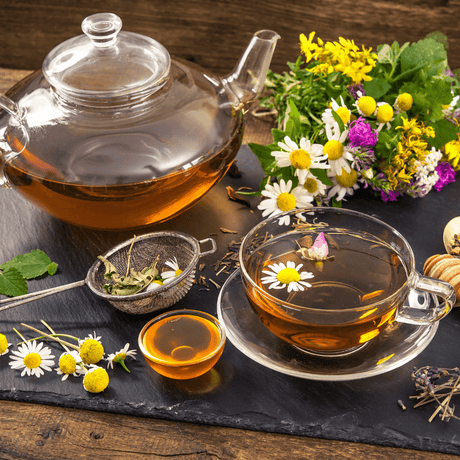
Chamomile is one of the most famous herbs in European monastic tradition and is also mentioned in Hildegard’s teachings. As a tea, it’s a classic part of evening rituals. You can find more about chamomile and how to use it on our page about chamomile sitz baths and in our overview of herbs in the Hildegard tradition.
Galangal (Alpinia officinarum)
Galangal is probably the most famous spice in Hildegard’s kitchen. In the tradition, it’s described not only as a warming spice, but also in connection with inner balance. Hildegard gave galangal special attention in her writings. You can read more about it on our page about galangal products.
Natural Calming Remedies in Special Life Situations
Natural Calming Remedies During Pregnancy
Extra care is needed during pregnancy: Not all herbs are suitable for pregnant women. Many botanical preparations that are fine outside of pregnancy should be avoided or only used after talking to a doctor during this time. Lemon balm tea and lavender are considered relatively gentle in tradition—but still: Always check with your midwife or doctor before using any herbs during pregnancy.
Natural Calming Remedies for Kids and Toddlers
You should also be careful with kids and toddlers. Not all herbs are suitable for children, and the dosage needs to match their age. Gentle herbal teas like lemon balm or chamomile are considered relatively well-tolerated for kids in tradition—but always check with your pediatrician before use. Herbal concentrates and tinctures are generally not suitable for toddlers.
Natural Calming Remedies for Dementia
For people with dementia, restlessness and trouble sleeping can be especially tough. Some care homes use gentle botanicals like lavender scent or lemon balm tea as part of daily care routines. These approaches don’t replace medical treatment, but they can play a role in creating a pleasant daily routine. Support from care professionals and doctors is always necessary.
Natural Calming Remedies for Dogs
There are also various botanical approaches described for pets—especially for dogs who get nervous during fireworks, storms, or travel. These include valerian, hops, or passionflower in pet-friendly doses. Important: Only use products made for animals. Always check with a vet before using any botanicals, since some plants can be unsuitable or even toxic for pets.
Natural Calming Remedies for Cats
Cats are more sensitive to herbal substances than dogs. Some plants that are fine for humans or dogs are unsuitable or even harmful for cats. Catnip (Nepeta cataria) is the best-known plant that can have a calming effect on cats—but it doesn't work the same for every cat. If you're unsure, always check with a vet.
Herbal teas as part of a mindful daily routine
In the Hildegard tradition, herbal teas play a central role. Drinking them warm, in peace, and at set times—that's in line with the principle of balance and rhythm that Hildegard emphasized in all her writings. An evening herbal tea made with lemon balm, valerian, or chamomile can be part of a mindful evening ritual that helps you unwind.
Check out our herbal teas from the Hildegard tradition—carefully selected according to the principles of traditional herbal knowledge.
Life rhythm as a foundation—Hildegard’s view on rest
Alongside individual herbs, Hildegard of Bingen always stressed that inner peace can't be achieved by plants alone. In her teachings, sleep rhythm, daily structure, nutrition, exercise, and prayer or quiet time are all equally important pillars of inner balance. If you're constantly stressed, don't just look for individual herbs—take a look at your whole life rhythm.
Hildegard recommended:
- A regular sleep-wake rhythm
- Three balanced meals a day—warm and eaten in peace
- Daily movement in the fresh air
- Times for quiet and retreat
- Moderation in all areas of life
These recommendations from the 12th century line up with much of what’s considered the foundation of a balanced life today. Find out more on our page about Hildegard fasting—what’s behind it?
Frequently Asked Questions (FAQ)
What are natural calming remedies?
Natural calming remedies are herbal botanicals and preparations that have been described for centuries in folk and monastic traditions as supporting inner peace, balance, and sleep. Well-known plants include valerian, lemon balm, lavender, passionflower, and hops. They’re used as teas, tinctures, capsules, or in other forms.
Which natural calming remedies come from the Hildegard tradition?
In Hildegard’s teachings, plants like valerian, lavender, lemon balm, and chamomile are mentioned in connection with calm and inner balance. Galangal is considered a key spice in Hildegard’s kitchen and is also linked to inner balance in tradition. However, Hildegard always stressed that a regular life rhythm is the foundation—herbs alone can’t replace a balanced lifestyle.
Are natural calming remedies suitable during pregnancy?
Not all herbs are safe during pregnancy. Before using any herbs while pregnant, always check with your midwife or doctor. Gentle options like lemon balm tea are considered relatively well-tolerated in tradition—but it’s still essential to get personal advice.
Which natural calming remedies are suitable for children?
With kids, choosing the right herbs and the right dose is especially important. Gentle herbal teas like lemon balm or chamomile are often mentioned for children in tradition. Herbal concentrates and tinctures are generally not suitable for young children. Always check with a pediatrician before use.
Which natural calming remedies are there for dogs?
For dogs, valerian, hops, and passionflower are mentioned in tradition in pet-friendly doses. It’s important to only use products made specifically for animals and to ask your vet before use—some plants that are fine for humans can be unsuitable or harmful for dogs.
Can natural herbs be used for dementia?
Gentle herbal options like lavender scent or lemon balm tea are used in some care facilities as a supportive part of daily life for people with dementia. They’re not a substitute for medical treatment, but can be part of a pleasant daily routine. Doctors and care professionals should always be involved.
How long does it take for natural herbs to work?
That really varies from person to person and depends on the plant, how it’s prepared, the dose, and the individual. Herbal preparations are usually used over a longer period in herbal tradition. If symptoms persist, always check with a doctor.
Note: This page provides general information about the Hildegard tradition and herbal knowledge. It does not replace medical advice or diagnosis. If you have health or mental concerns, please contact a doctor.