Gallstones form when the components of bile—mainly cholesterol—get out of balance. A mindful diet can help keep your bile flowing regularly. Hildegard’s teachings have passed down a range of foods, herbs, and spices for centuries that you can use in your daily life to support your gallbladder.
What are gallstones?
Gallstones (cholelithiasis) are solid deposits that can form in the gallbladder or bile ducts. They’re usually made of cholesterol, calcium, or a mix of both. It’s estimated that a significant part of the adult population in Germany has gallstones without knowing it—most people only notice them when they have a gallbladder attack or other symptoms.
Conventional medicine distinguishes between different types: cholesterol stones (the most common), pigment stones, and mixed stones. Getting the right diagnosis and treatment is a job for a doctor. Diet can be a helpful addition—but it’s no substitute for proper medical care.
The gallbladder from Hildegard’s perspective
Hildegard von Bingen (1098–1179) explored the balance of the body’s fluids in her natural science works Physica and Causae et Curae. In her teachings, warmth, moisture, and a calm daily rhythm are key. Hildegard associated the gallbladder with the fiery principle—so she recommended foods considered balancing and moderating, and advised going easy on fatty and hard-to-digest foods.
Even though the medieval system doesn’t match modern physiology, many of Hildegard’s traditional recommendations fit well with what we know today about healthy eating.
Gallbladder-friendly diet – basic principles
Fat: quality over avoidance
A totally low-fat diet isn’t the goal with gallstones—in fact, it’s the opposite. The gallbladder empties mainly when you eat fats. If you eat very little fat for a long time, bile can sit still and the risk of deposits goes up. It’s best to go for high-quality plant oils like cold-pressed olive oil—a staple in Hildegard’s kitchen too.
Fiber every day
Whole grains, veggies, and legumes provide fiber that supports cholesterol metabolism. In Hildegard’s tradition, spelt is one of the top grains—it’s considered easy to digest and was described by Hildegard as especially valuable. Check out our page on spelt flour and spelt products for a selection of options.
Meal rhythm
If you go a long time without eating—like skipping breakfast—you risk less bile being released. Hildegard always recommended a regular daily rhythm with set mealtimes. Three balanced meals a day are the foundation for good digestion, according to tradition.
How much to drink
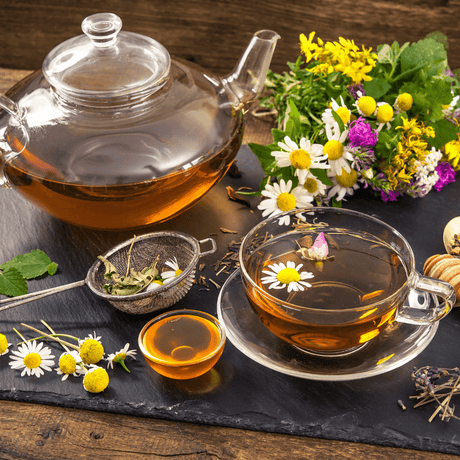
Enough fluids are essential for healthy bile. Hildegard favored warm drinks—especially herbal teas, which should be enjoyed regularly and in moderation. Cold drinks and too much alcohol were seen as a burden on the body in Hildegard’s teachings.
Food chart: What’s good & less good for gallstones
| Food group | Good choices | Less good choices |
|---|---|---|
| Grains & bread | Spelt (whole grain), oats, millet | Lots of white flour products |
| Vegetables | Artichokes, chicory, fennel, carrots, zucchini | Cabbage & legumes (if you don’t tolerate them well) |
| Fruit | Apples, pears, berries, citrus fruits (in moderation) | Very sweet fruits in large amounts |
| Fats & oils | Cold-pressed olive oil, flaxseed oil | Fried foods, lots of animal fats |
| Protein | Lean poultry, fish, eggs (in moderation) | Fatty meats, processed sausages |
| Dairy | Low-fat quark, plain yogurt, cottage cheese | High-fat cheese, cream, crème fraîche |
| Drinks | Herbal teas, water, apple spritzer | Alcohol, highly caffeinated drinks, sodas |
| Spices | Bertram, galangal, fennel seeds, caraway | Very spicy seasonings, lots of salt |
Herbs & spices in the Hildegard tradition
Bertram (Anacyclus pyrethrum)
Bertram is one of the most frequently mentioned spices in Hildegard’s teachings. Traditionally, it’s described as warming and is one of the herbs Hildegard recommended for everyday cooking. It’s super versatile—use it as a spice in soups, sauces, or grain dishes. On our page about bertram root powder you can find out more about where it comes from and how to use it.
Galangal
Galangal (Alpinia officinarum) is probably the best-known spice from Hildegard’s kitchen. The woody root has a mildly spicy, aromatic flavor and was mentioned by Hildegard in many contexts. As a powder or in teas, it’s easy to work into your daily cooking. Our galangal products are a great way to discover this traditional spice.
Fennel
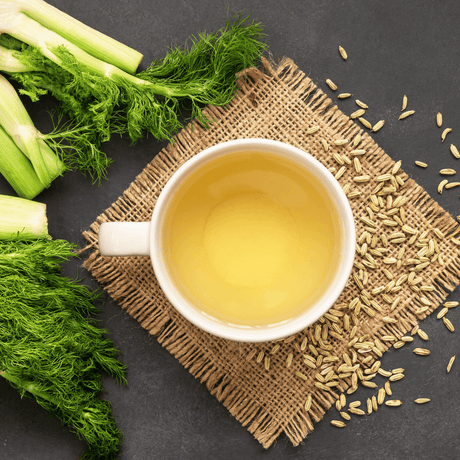
Hildegard valued fennel in all its forms—as a vegetable, spice, and tea. Tradition describes it as gentle on the digestive tract. Fennel seeds are easy to add to a gallbladder-friendly diet: use them as a spice in bread or as a tea after meals. Learn more on our page about fennel in Hildegard’s kitchen.
Artichoke
Artichoke fits right into a gallbladder-friendly diet. It’s one of the foods mentioned in many traditional herbal texts in connection with the gallbladder. As a vegetable, it’s an interesting part of a mindful diet inspired by Hildegard’s tradition.
Practical everyday tips
Morning & midday
Hildegard recommended warm meals, especially in the morning. A warm breakfast—like spelt porridge or spelt flakes—follows this tradition and gets your digestion ready for the day. According to Hildegard, the main meal should be at midday.
Evenings & general
In the evenings, Hildegard recommended light meals eaten early. Herbal tea after meals is a key part of the Hildegard way of eating. Regular meals—without long periods of fasting—as well as mindful chewing and eating in peace, match the principle of moderation that Hildegard often emphasized in her writings.
In the kitchen
Fresh, seasonal ingredients, gentle steaming and cooking instead of frying, and cold-pressed olive oil as the main fat all fit well with a gallbladder-friendly kitchen and the spirit of Hildegard’s teachings. Spices like Bertram and Galgant are easy to add to your daily routine.
More pages on hildegard.de
- Bertram root powder – Origin and uses
- Galgant – The heart spice of Hildegard’s kitchen
- Spelt products – Flours, flakes & semolina
- Eating according to Hildegard von Bingen – Basics
- Herbs in the Hildegard tradition – Overview
- Spelt in Hildegard’s teachings
- Hildegard fasting – What’s behind it?
- Fennel in Hildegard’s kitchen
- Herbal teas from the Hildegard tradition
- Liver and gallbladder in Hildegard’s teachings
Frequently Asked Questions (FAQ)
What kind of diet is generally recommended for gallstones?
A balanced, fiber-rich diet with high-quality plant oils, plenty of veggies, and whole grain products—preferably spelt-based, as described in the Hildegard tradition—is recommended. Regular meals help keep the gallbladder active. Try to avoid foods that are very fatty, fried, or heavily processed.
What does the Hildegard tradition recommend for gallstones?
The Hildegard approach puts a lot of emphasis on moderation and rhythm in eating, on warm, easily digestible meals, and on using select spices like Bertram, Galgant, and fennel. In the traditional teachings, spelt is considered a particularly gentle staple food. Herbal teas—drunk warm and in peace—are also a core part of the Hildegard way of eating.
Can you eat fat if you have gallstones?
Yes—a very low-fat diet isn’t always a good idea with gallstones, since fat helps stimulate the gallbladder. The key is the quality of the fat: cold-pressed olive oil, linseed oil, and other high-quality plant oils are better than animal fats and fried foods. This lines up well with the principles of Hildegard’s kitchen, which also values quality over quantity.
What should you avoid if you have gallstones?
You should mainly avoid fatty, fried, and heavily processed foods, too much alcohol, and very sugary foods. Long periods of fasting or skipping meals are also described by nutrition experts and the Hildegard tradition as not ideal. Always pay attention to your own intolerances.
Does spelt help with gallbladder problems?
Spelt is the grain that Hildegard von Bingen described in her natural teachings as especially valuable. It’s known for being easy to digest and high in fiber. For a gallbladder-friendly diet, whole grain spelt is a great choice—you can use it as bread, porridge, or flour in your daily cooking. You’ll find more info on our page about spelt products.
Are herbal teas from the Hildegard tradition suitable for gallstones?
Herbal teas are a key part of the Hildegard way of eating. When drunk warm after meals, they’re considered soothing for the digestive tract in this tradition. Fennel and chamomile teas are especially well-tolerated and widely used. If you already have gallstones, you should always check with a doctor about which herbs and teas to use. Check out our herbal teas from the Hildegard tradition.
Note: This page provides general information about the Hildegard tradition and nutrition. It does not replace medical advice or diagnosis. If you have health concerns, please contact a doctor.