



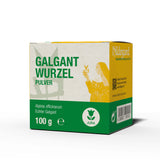
What is Galangal Root?
Galangal root (botanically Alpinia officinarum) belongs to the ginger family. It has an intense, slightly spicy aroma and is used in many Asian cuisines, but is also gaining increasing attention in Central Europe – both as a spice and as a key component of the herbal tradition according to Hildegard.
Galangal Root in the Herbal Tradition
Galangal root contains essential oils and secondary plant compounds that are responsible for its characteristic aroma and warming taste.
In Hildegard's writings, galangal root occupies a central role – it is one of the plants to which Hildegard devoted special attention. Its warming character makes it a versatile spice that can be integrated into everyday life in various ways.
Matching this article
Uses of Galangal Root
Galangal can be used in various ways:
- Fresh or dried as a spice in soups, stews, or curries
- Galangal tea as a warming drink, especially on cooler days
- as an ingredient in herbal blends for tea or warming beverages
For example, a robust tea can be made from some fresh galangal root, which is particularly pleasant on cooler days.
Classic recipes such as a fasting soup according to Hildegard von Bingen also show how nourishing, plant-based ingredients can be combined.
Galangal Root Recipes
In the kitchen, galangal root can be used in a variety of ways. Here are some ideas:
- Spicy vegetable pan: Finely grate fresh galangal and add it to root vegetables.
- Asian soups: Simmer pieces of galangal for a warm, aromatic flavor.
- Galangal tea: Pour hot water over 1–2 slices of fresh root, steep for 5–10 minutes.
Galangal can also be combined well with other herbs and spices – in a variety of plant-based aromas that you will recognize, for example, in the herbal tradition according to Hildegard von Bingen.
Buying Galangal Root
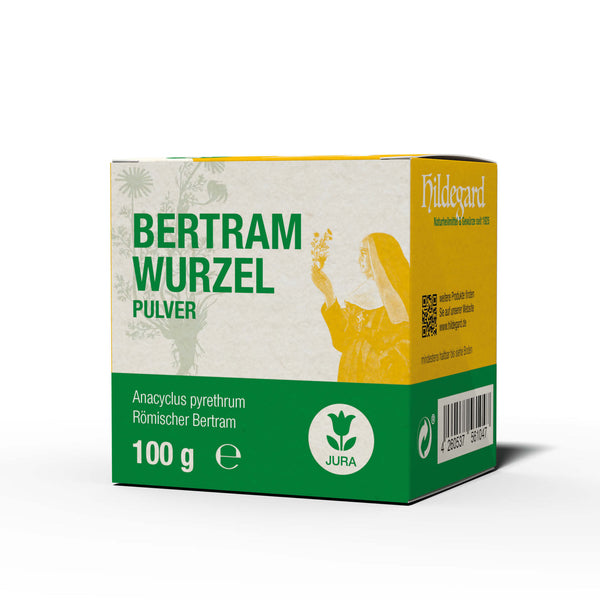
Galangal root is available in well-stocked supermarkets, Asian grocery stores, or online – fresh, dried, or as a powder. When buying, it is worth paying attention to quality and origin so that you can enjoy the aromatic oils as naturally as possible.
Galangal Root in Mindful Nutrition
Integrating spices such as galangal into your diet can make meals more digestible and flavorful. In Hildegard's nutritional teachings, as described in nutrition according to Hildegard, plant-based spices and herbs are part of a mindful way of life.
Conclusion
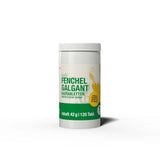
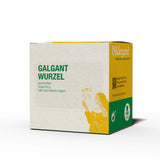
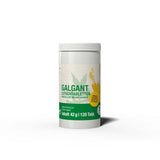
The galangal root is far more than just a spice – it is an aromatic, versatile ingredient that plays a special role in cooking, in teas, and in Hildegard's teachings. Whether as a flavor carrier or simply as an enriching component of your diet: galangal combines enjoyment and tradition in a completely natural way. Also discover our fennel-galangal tablets and our complete range according to Hildegard's teachings.