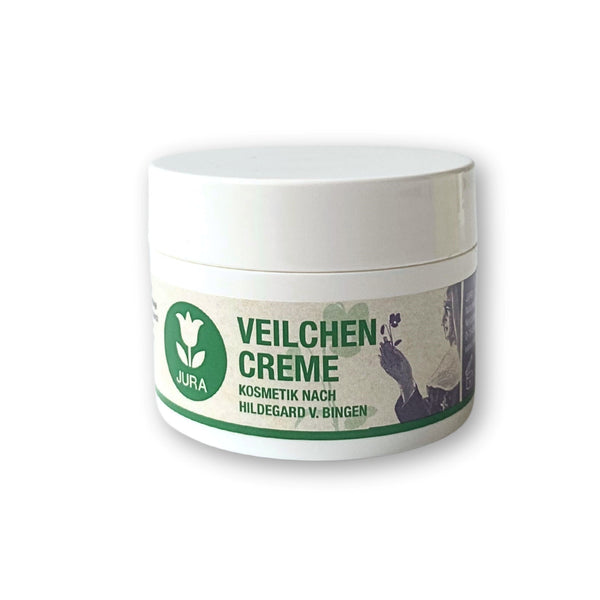




Hildegard von Bingen and the World of Herbs
Hildegard von Bingen (1098–1179) was not only a significant mystic and abbess of the Middle Ages, but also a pioneer of herbalism. In her numerous writings, she described the diversity of the plant world and thus laid the foundation for a holistic understanding that connects body, mind, and soul.
Herbalism played a central role in her thinking. For Hildegard, plants were not merely a source of nourishment – she saw in them an expression of divine creation. Each herb had its own "Viriditas" for her – an inner life force that can accompany people in a natural way.
Why Herbs Were So Important to Hildegard
Hildegard regarded the human being as part of a greater, natural framework. Wellbeing for her meant not merely the absence of complaints, but a harmonious interplay of body, soul, and nature. Herbs played a connecting role in this – they were mediators between humanity and the earth.
One of her well-known quotes reads:
"Nature is the best pharmacy."
This reflects her conviction that a conscious way of life and a mindful relationship with nature are of great importance. Herbs were for her part of a philosophy of life based on mindfulness, moderation, and inner order.
Matching this article
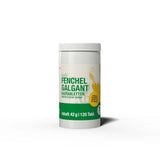
The Most Well-Known Herbs According to Hildegard von Bingen
In her works – especially in "Physica" and "Causae et Curae" – Hildegard described numerous herbs and their significance. Here is a small selection that is still frequently mentioned today:
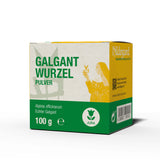
- Galangal: Occupies a central role in Hildegard's writings and belongs to the ginger family.
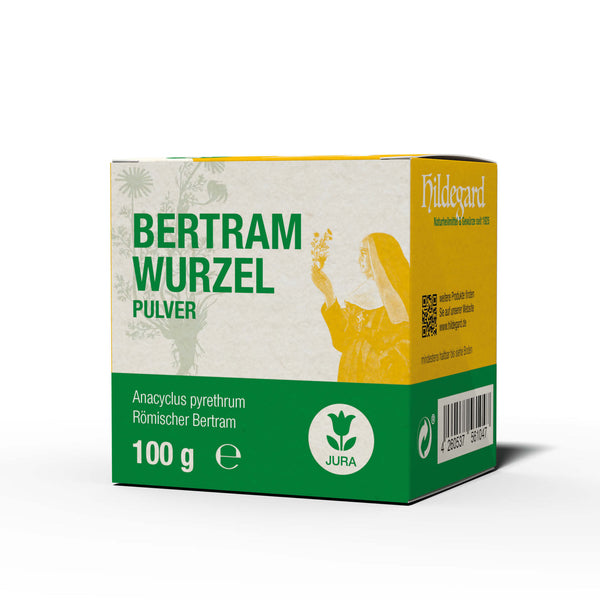
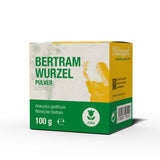
- Bertram: Particularly valued by Hildegard and frequently mentioned in her writings.
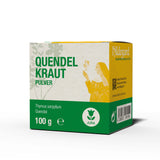
- Quendel (wild thyme): An herb with a long tradition in Hildegard's teachings.
- Hyssop: Hildegard devoted special attention to it in her writings.
- Fennel: Played an important role in her cuisine and herbal teachings.
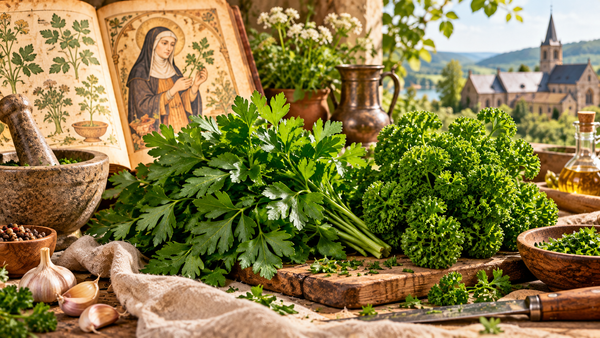
- Parsley: One of the herbs that Hildegard used particularly frequently in her recipes.
- Wormwood: Used in moderation, one of the most well-known classics in Hildegard's teachings.
These plants were often used not individually, but in combination – tailored to individual needs.
The 7 Hildegard Herbs: A Special Selection
Reference is frequently made to the "seven Hildegard herbs." Even though Hildegard herself did not pass down such a fixed list, seven particularly frequently mentioned plants have crystallised over time:
This collection serves many people today as a point of reference – whether for herbal tea blends, herbal preparations, or in the kitchen. It demonstrates the variety of herbs to which Hildegard attributed special significance in her writings.
Application Then and Now: Hildegard's Herbal Recipes
In Hildegard's time, the boundary between food and herbalism was fluid. Many of her traditions are based on the idea of shaping conscious living through everyday life – with simple means. Her texts thus contain numerous references to the preparation of herbal drinks, powders, soups, and teas.
Example: Galangal as Hildegard's favourite – according to Hildegard, it should be used regularly, preferably with food. Or Bertram, which "benefits people, whether they are healthy or ill," as she put it.
Today too, many of these traditions can be adapted to modern needs – whether as part of a conscious diet or as inspiration for everyday life.
Passing On Hildegard's Herbal Knowledge – Books & Sources
Those who wish to explore Hildegard's plant knowledge more deeply will find a wealth of transmitted sources. Her two main works – "Physica" and "Causae et Curae" – are available in various editions, translations, and commentaries. In addition, there are numerous modern books that take up her herbal teachings, explain them in an accessible way, and place them in a contemporary context.
Digital sources such as PDF collections or thematic websites also offer insights into Hildegard's thinking about the plant world.
Conclusion: An Herbal Tradition More Relevant Today Than Ever
Hildegard von Bingen's approach to nature is over 800 years old – and yet remarkably modern. Her holistic view of humanity, her appreciation for plants, and her conviction that wellbeing arises in harmony with nature resonate with many people today once again.
Engaging with her herbs invites us to look more consciously – at what nourishes and accompanies us. Without dogma, but with a deep respect for the wisdom of nature. Discover our range based on Hildegard's teachings.