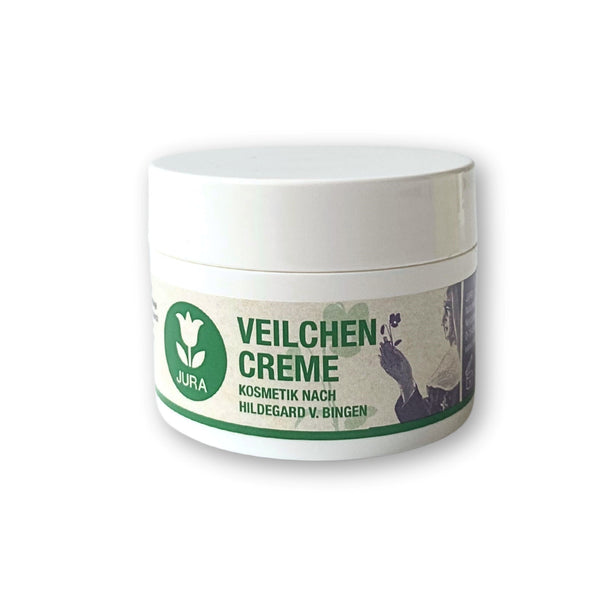




Nutrition as the Key to Conscious Living
As far back as the 12th century, Hildegard von Bingen described the close connection between nutrition and well-being. For her, food was far more than a mere source of energy – it was part of a conscious way of life and a greater natural balance. Her conviction: those who eat mindfully live more attentively – both physically and spiritually.
Hildegard's Holistic View of Food
At the heart of her teachings lies a holistic view of humanity. Well-being arises when body, mind, and soul are in harmony – and this is precisely where nutrition comes in. Hildegard did not classify foods merely by taste, but according to whether they "benefit" or "harm" a person. Both observations and spiritual insights flowed into her writings.
The Three Golden Staple Foods
Three foods hold a place of particular esteem in Hildegard's work. They form the foundation of her nutritional teachings:
-
Spelt: This highly praised grain occupies a central role in Hildegard's writings. She described it as particularly valuable and versatile.
-
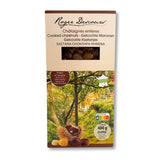
Chestnuts (Sweet Chestnuts): She described them as warming and wholesome – a firm part of her nutritional teachings.
-
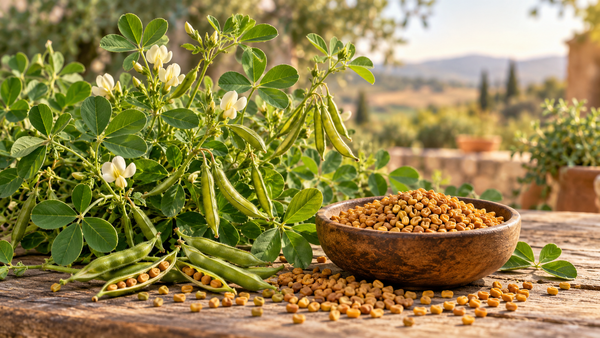
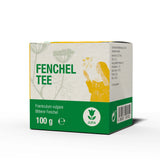
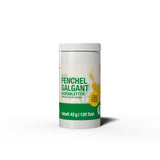
Fennel: Not only as a vegetable, but also as a tea or spice, it held a firm place in her teachings.
These three foods reflect her guiding principle: simple, natural, consciously chosen.
Matching this article
Recommended and Less Recommended Foods According to Hildegard
Hildegard did not create rigid diet plans, but made fine distinctions: some foods play a special role in her writings, while others are mentioned more cautiously.
Recommended Foods:
-
Spelt, fennel, chestnuts
-
Apples, pears, quinces
-
Almonds, sweet chestnuts
-
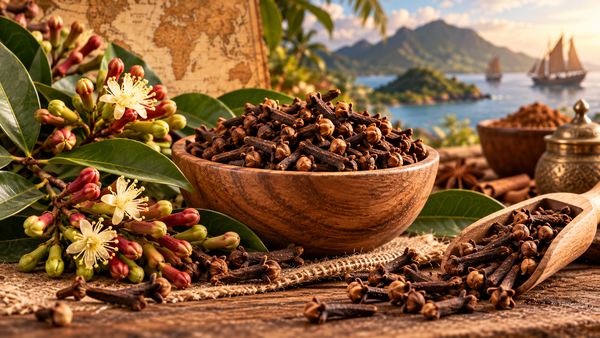
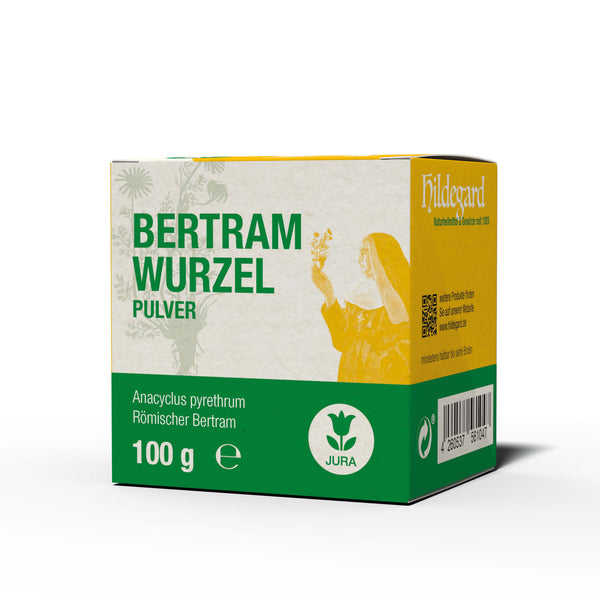
certain spices such as galangal, pellitory, wild thyme
-
light fish and poultry
Less Recommended Foods:
-
Wheat (less valued in Hildegard's teachings)
-
Pork
-
Raw onions and leeks (rather discouraged by Hildegard)
-
too much raw food or cold dishes
What was always important to her was moderation – no food is fundamentally "forbidden", but the selection must suit the individual's constitution.
Hildegard's Nutrition Today: A Return to Roots in Germany
In recent years, Hildegard's nutritional teachings have been experiencing a quiet renaissance – particularly in Germany. Many people are looking for conscious, natural ways to bring more mindfulness into everyday life. Hildegard's approach to nutrition offers guidance here: clear, grounded, and yet profound.
There are now many people who consciously follow her principles – not as a dogma, but as part of a mindful way of life. Hildegard concepts are also being taken up in various settings, for example in connection with traditional herbalism.
Conscious Eating in Everyday Life: Hildegard's Teachings on the Plate
What makes Hildegard so special is that her teachings begin in daily life. No exotic remedies or complicated recipes are needed – only attentiveness while eating, mindfulness in choosing food, and a sense of one's own well-being.
Whether through a warm spelt soup, a fennel tea, or the conscious avoidance of burdening foods – small changes can make a big difference according to Hildegard's conviction. She understood eating as a conscious act, in which the soul also partakes.
Conclusion: Mindfulness, Moderation, and the Wisdom of Nature
Hildegard's view of food is simple and yet profound. It reminds us that well-being often begins right on the plate. Her teachings trust in the diversity of foods – simple, conscious, and close to life.
In an age where nutrition is often shaped by trends and restriction, her message acts as an anchor: back to simplicity. Back to nature. Discover our range according to Hildegard's teachings.