
In the world of herbs there are unassuming treasures that are special precisely because of that. Lungwort is exactly one of them – blooming delicately in spring, with a long tradition in the handed-down art of herbalism. Hildegard von Bingen also mentioned it in her writings – and today lungwort is experiencing a quiet renaissance.
What is lungwort?
Lungwort (Latin Pulmonaria officinalis) is a native plant typically found in light woodlands. It belongs to the borage family and bears beautiful violet to pink flowers in spring. Particularly well known is spotted lungwort, whose leaves carry small pale spots – a kind of "trademark" that likely gave it its name.
In former times, people believed: what looks like an organ also helps that organ. This so-called doctrine of signatures led to lungwort holding a firm place in the herbal tradition for centuries.
What does lungwort contain?
The plant contains, among other things, mucilages, saponins, silicic acid and tannins – an interesting combination of constituents that makes lungwort so popular in herbalism. In tradition it is particularly associated with the following topics:
- Traditional herbalism relating to the respiratory tract
- A staple ingredient in many traditional herbal tea blends
- A long history in the monastic tradition
- Mentioned by Hildegard in her writings
Lungwort is among the plants that have been valued in traditional herbalism for centuries.
Matching this article
Lungwort in Hildegard von Bingen
Hildegard mentioned lungwort in her writings and devoted particular attention to it. Especially well known is the so-called lungwort drink, which consists of several plants and is traditionally prepared as a cure in spring or autumn. In Hildegard's teachings it is one of the most renowned recipes.

Lungwort tea: A classic of the herbal tradition
The classic preparation is tea. Here is how to make it:
Ingredients:
- 1–2 teaspoons of dried lungwort
- 250 ml hot water
Preparation:
Pour hot water over the herb, leave to steep for 5–10 minutes, strain and drink in small sips.
Tip: For children or sensitive individuals, a milder dosage is suitable. The tea can also be combined well with other herbs.
Capsules & drink: For everyday practicality
Those who do not want tea can also turn to lungwort capsules or ready-made products. Capsules or compound preparations with additional herbs are particularly popular.
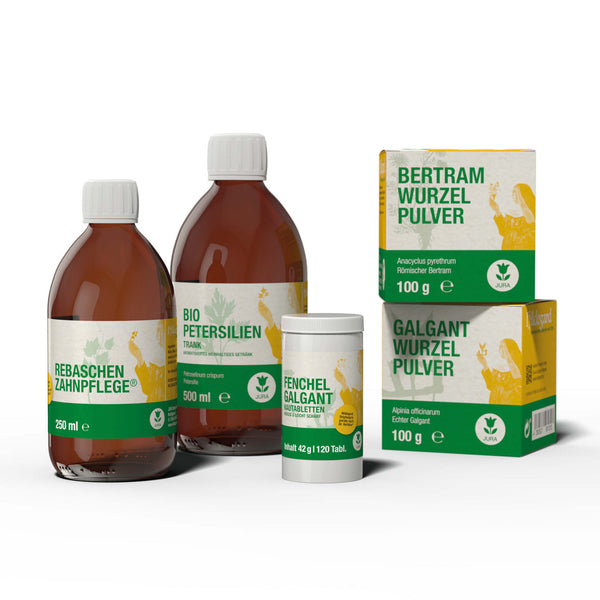
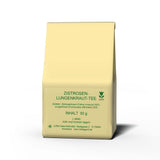
In our range you will also find preparations based on Hildegard's tradition – such as the Cistus-Lungwort Tea.
Notes on use
Lungwort is considered well tolerated, but should not be used uncritically in large quantities or over extended periods. The reason: it contains traces of pyrrolizidine alkaloids (PA), which can be problematic at very high doses.
Therefore:
- Do not take continuously
- During pregnancy only after consultation
- Preferably use organic quality or tested products
Where can you buy lungwort?
You can find dried lungwort in well-stocked pharmacies, health food stores or online shops. Pay attention to origin and quality – ideally from certified organic cultivation. Also discover our herbs and spices according to Hildegard's teachings.
Conclusion:
Lungwort is a fascinating herb with a long tradition in herbalism – and has been for centuries. Whether as a tea, capsule or drink: it connects ancient traditions with the interest of many people in traditional herbalism. A quiet herb with a great history – just the right thing for anyone interested in Hildegard's world of plants.