
Note: This article does not replace medical advice. For chronic conditions or medications (e.g. blood thinners), please consult a doctor.
What does mindful eating with a plant-based focus mean?
A plant-focused diet typically provides plenty of antioxidants, fibre and "good" fats (e.g. omega-3, monounsaturated fatty acids). Experts often emphasise: what matters is not any single "superfood", but the overall pattern – lots of unprocessed food, lots of plant-based choices, olive oil instead of butter, less sugar & ultra-processed products.
If you also think along Hildegard-oriented lines, this fits well with a "simple, warm, digestible" approach – for example through mindful eating, herbs and bitter compounds. Feel free to explore these resources: Nutrition according to Hildegard, Gentle diet and everyday recipes.
Top 10 Foods for Mindful Eating
Many nutrition sources repeatedly mention similar "classics": berries, leafy greens, olive oil, nuts, oily fish, legumes, wholegrains, herbs & spices (e.g. turmeric, ginger) and tomatoes.
- Berries (e.g. blueberries, strawberries, cherries) – rich in polyphenols and great as a snack.
- Leafy green vegetables (e.g. spinach, kale) – very nutrient-dense.
- Extra virgin olive oil – the cornerstone of Mediterranean cuisine.
- Nuts & seeds (walnuts, flaxseeds, chia) – good fats + fibre.
- Oily fish (salmon, mackerel, sardines) – classic omega-3 source.
- Legumes (lentils, beans) – fibre, plant-based protein.
- Wholegrains (oats, brown rice) – a reliable source of energy and fibre.
- Tomatoes (fresh or as sauce) – versatile in everyday cooking.
- Herbs & spices (turmeric, ginger, cinnamon) – "small levers" you can use every day.
- Fermented foods (yoghurt, kefir, sauerkraut) – an interesting addition to the menu.
Matching this article
List of Mindful Foods (short & practical)
If you want a quick reference, use this mini-list as a shopping guide:
Vegetables
- Leafy greens (spinach, chard, kale)
- Broccoli, peppers, onions, garlic
- Tomatoes (also as sauce)
Fruit
- Berries, cherries, oranges, apples
- Avocado
Fats & Proteins
- Olive oil (extra virgin), nuts (especially walnuts)
- Oily fish (where suitable), legumes
Grains & Fibre
- Oats, wholegrains, natural rice
- Fibre supplements such as psyllium husks
Herbs, Spices & Tea
- Turmeric, ginger, cinnamon
- Herbal teas (e.g. fennel)
Mindful Eating in Various Areas
Mindful Eating and Mobility
For joint-related topics, omega-3 (oily fish or plant-based sources), olive oil, berries and plenty of vegetables are often recommended. A practical tip: 1–2 tablespoons of walnuts/flaxseeds per day + olive oil as your standard cooking fat.
Mindful Eating and Wellbeing
Many experts see fibre as the foundation (vegetables, legumes, wholegrains) and like to combine it with fermented foods. If you want to approach this in a Hildegard-oriented way, you'll find suitable starting points here: Nutrition according to Hildegard and Fasting soup.
Mindful Eating for Skin
Skin often benefits indirectly: less sugar/ultra-processed food, more antioxidants (berries, vegetables), good fats and adequate hydration. Tip: "eat colours" – at least 3 different colours of vegetables/fruit every day.
What Experts Recommend (in brief)
- Harvard Health lists classics for mindful eating including tomatoes, olive oil, leafy green vegetables, nuts, oily fish and berries.
- Cleveland Clinic recommends a plant-focused style with plenty of fresh fruit/vegetables, wholegrains, legumes, nuts/seeds, oils and spices such as turmeric.
- Arthritis Foundation emphasises olive oil as well as colourful fruit and vegetables.
- Mayo Clinic frequently links mindful eating to Mediterranean patterns: more vegetables, olive oil, fish instead of red meat and fewer sugary drinks.
Hildegard-Inspired Product Recommendations
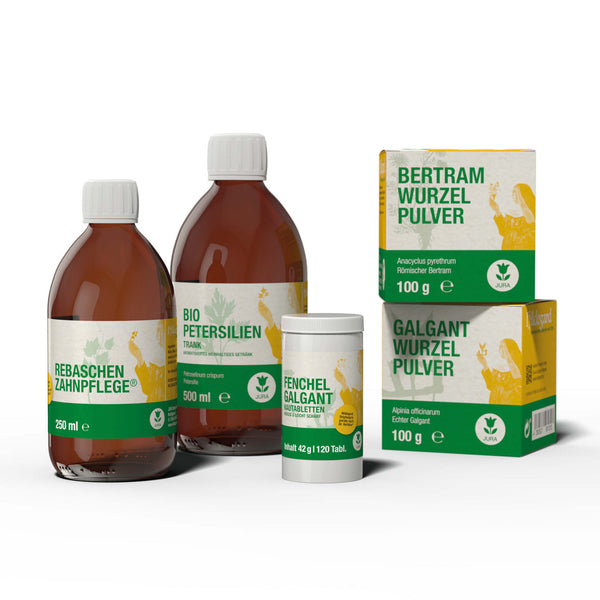
If you want to put the topic of mindful eating with herbs and spices into practice, you can use the following products:
- Hildegards 6 Kräuterbitter (Original) – a classic with bitter compounds for everyday use.
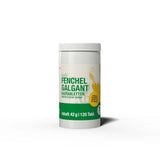
- Fennel-Galangal Tablets (or variant) – popular in the Hildegard tradition.
- Galangal Lozenges – a convenient format for on the go.
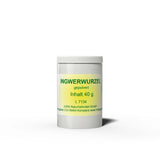
- Ginger (powdered) – ideal for tea or cooking.
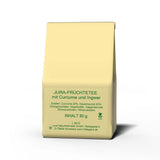
- JURA Früchtetee with Turmeric & Ginger – an easy daily routine as a warm drink.
- Psyllium husks – as a fibre supplement (increase gradually, drink plenty of water).
- Fennel tea (information article) + Fennel tea (product) – easy to incorporate into a mindful daily routine.
Relevant further reading: Nutrition according to Hildegard, Lemon-garlic cure, Fasting according to Hildegard, Herbs, Spices & Teas.
Mini Plan: How to Start Today
- Swap the basics: Olive oil instead of butter/industrial fat, wholegrains instead of white flour.
- One mindful add-on every day: Berries OR leafy greens OR legumes.
- Spice routine: Ginger/turmeric 3–5 times per week (e.g. in tea or while cooking).
- Fibre boost: Vegetables, legumes; optionally psyllium husks + drink plenty of fluids.