

What exactly is duckweed?
Duckweed – also known by the botanical name Lemna – is one of the smallest flowering plants in the world. It is commonly found on the surface of ponds, ditches, or slow-moving waterways, where it forms green carpets that at first glance almost resemble a coating of moss.
These tiny floating plants are remarkably undemanding and multiply rapidly under favorable conditions. Their ability to spread quickly while absorbing nutrients from the water makes them fascinating not only for ecosystems – humans have long since discovered them too.
Duckweed in the herbal tradition
Duckweed was already known in the Middle Ages – for example, in the monastic tradition of Hildegard von Bingen. It was traditionally used as part of herbal drinks. Duckweed also played a role in the herbal traditions of various cultures.
Today, this ancient knowledge is increasingly being rediscovered. The plant has come back into focus due to its properties – for example, as an ingredient in modern herbal elixirs or dietary supplements. Particularly interesting: its high nutrient density in the smallest of spaces.
Matching this article


Why duckweed is interesting as a food
Duckweed is rich in high-quality plant-based protein and is therefore considered an exciting source of protein – especially for people who eat a vegetarian or vegan diet. In some parts of Asia, it has long been part of traditional cuisine. In Europe, however, its use as a food is still relatively new, but is gaining increasing importance.
In addition to its protein content, duckweed also contains iron, vitamin B12 (in certain species), dietary fiber, and secondary plant compounds. Its combination of nutrients makes it a promising food – research is increasingly interested in the potential of this small plant in human nutrition.
Duckweed in everyday life: powders, shakes, and elixirs
There is now a wide range of products based on duckweed – from classic duckweed powder to ready-made shakes or elixirs. Those who want to buy duckweed can find it in online shops or occasionally in drugstores.
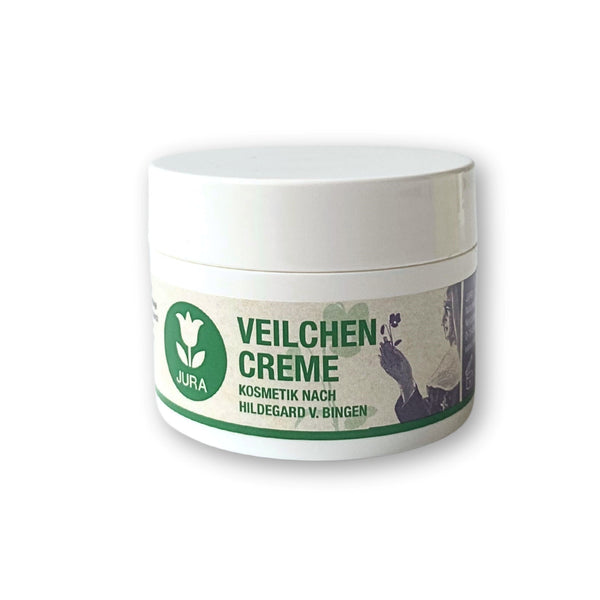
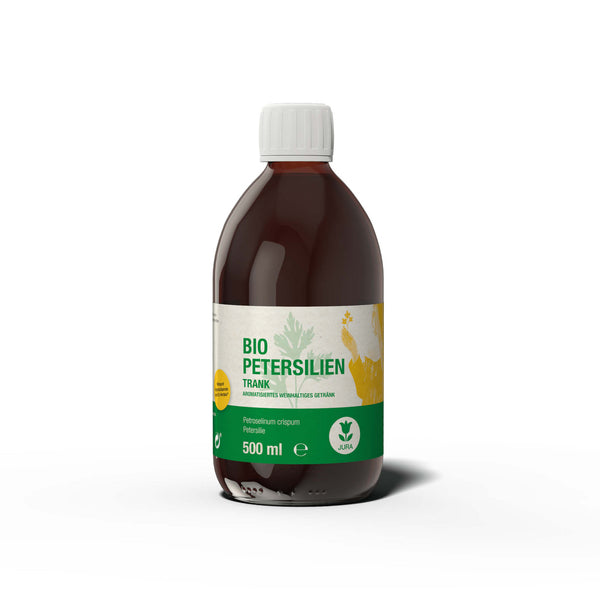
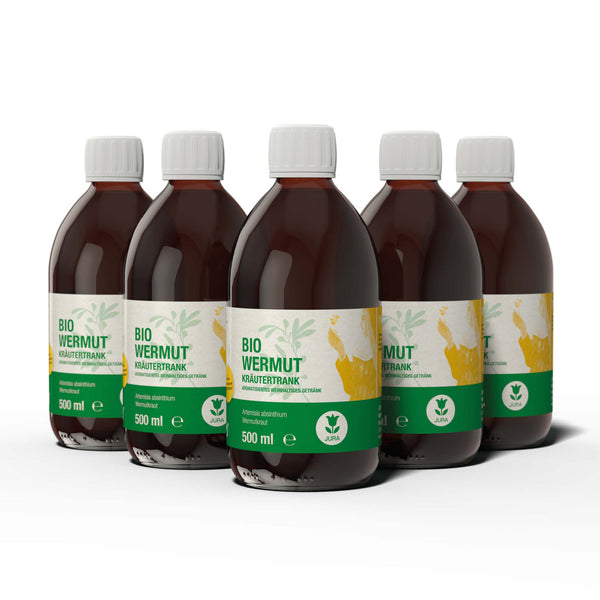
The products differ in processing and application: powder can, for example, be mixed into smoothies or used for baking. Shakes often contain duckweed extracts in combination with other plant-based ingredients. And elixirs frequently draw on traditional recipes – some inspired by Hildegard von Bingen. In our shop you will find the Wasserlinsen-Kräutertrank – one of the best-known preparations from Hildegard's tradition.
Important to note: Anyone starting out with duckweed products should approach them gradually and pay attention to their body's signals. As with all herbal remedies, individual reactions can occur.

Facts about cultivation and sustainability
One major advantage of duckweed: its cultivation is particularly resource-efficient. It requires neither much land nor fertilizer and grows without soil – directly in water. This makes it one of the most sustainable plant species suitable for human nutrition.
In aquacultures, duckweed can be cultivated in a targeted and controlled manner. In doing so, it can even help purify water by absorbing excess nutrients. Its rapid growth and favorable CO₂ balance make it a true plant of the future – both ecologically and economically.
Conclusion: A plant with potential
Duckweed is small but remarkable: it bridges ancient herbal traditions with modern nutritional science approaches. Whether as a dietary supplement, protein source, or sustainable ingredient – the possibilities are diverse. And even if it is not yet as well known in Europe as in other parts of the world, it is well worth a closer look.
Anyone interested in mindful, natural nutrition can hardly ignore duckweed. Not because one should follow every trend – but because it is a wonderful example of how much fascination can lie within the inconspicuous plants of this world. Also discover our complete range based on Hildegard's teachings.