
Sitz Bath for the Intimate Area – Home Remedies, Herbs, and Useful Information
A sitz bath is a time-honored application in which the lower body is bathed in a basin filled with warm or cool water. Even in folk medicine and the monastery medicine of the Middle Ages, the sitz bath was a widespread practice – particularly in connection with the intimate area and the pelvic region. Today, the method is experiencing a renaissance as a simple home remedy that can be carried out at home with just a few ingredients. Those who want to learn more about the traditional herbal knowledge behind such applications will find a good introduction in our article on Monastery Medicine – Ancient Knowledge Rediscovered.
What Is a Sitz Bath?
In a sitz bath, the person sits in a shallow basin or tub that is only filled with enough water to completely cover the pelvic area. Typically, the water reaches up to the hips. The body does not fully submerge – only the lower body comes into contact with the water.
The temperature of the water can vary depending on the desired application. A distinction is made between the warm sitz bath (approx. 36–40 °C), the cool sitz bath (approx. 18–25 °C), and the alternating sitz bath, in which warm and cold are alternated. Which variant is appropriate depends on the individual's condition and personal preferences.
Sitz Bath vs. Full Bath – The Key Differences
| Feature | Sitz Bath | Full Bath |
|---|---|---|
| Body area | Pelvis and lower body | Entire body |
| Water volume | Small (10–15 liters) | Large (approx. 150–200 liters) |
| Time required | 5–20 minutes | 15–30 minutes |
| Equipment | Sitz bath tub or basin | Bathtub |
| Herbal additives | Concentrated and targeted use | Broad application, less concentrated |
Matching this article
Sitz Bath for the Intimate Area – When and Why?
Sitz baths for the intimate area are performed for a variety of reasons. Particularly commonly mentioned are irritations in the anal area, mild discomfort after childbirth, skin irritations, or itching in the perineal area. The sitz bath has traditionally also been used for general care and hygiene of the intimate area.
Important: A sitz bath does not replace medical treatment. In the case of persistent complaints, signs of inflammation, fever, or uncertainty about the cause of symptoms, a doctor should always be consulted. Especially in the intimate area, complaints can have a wide variety of causes that require expert diagnosis.
Home Remedies for the Sitz Bath – Which Herbs Are Traditionally Used?
In folk medicine and monastery healing, various herbs were used for sitz baths. This tradition dates back to the Middle Ages and is part of the wealth of knowledge that, among others, Hildegard von Bingen documented in her writings. Those who are generally interested in Hildegard's herbal knowledge will find a comprehensive overview in our article Hildegard von Bingen and Her Herbs.
Chamomile
Chamomile (Matricaria chamomilla) is one of the best-known herbs in the European plant tradition. For sitz baths, a concentrated chamomile flower tea is typically prepared and added to the bath water. Chamomile belongs to the daisy family (Asteraceae) and is recognizable by its characteristic white ray florets with a yellow flower head. In folk tradition, it was regarded as a gentle herb for skin and mucous membranes.
Yarrow
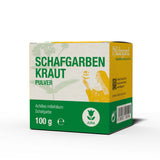
Yarrow (Achillea millefolium) is another herb with a long tradition of use in sitz baths. Its feathered leaves and white to pink flower heads are widespread in meadows and along roadsides. In folk medicine, it was traditionally used, among other things, for applications in the intimate area and for abdominal complaints. Yarrow herb is also available as dried herb or as yarrow herb powder.
Marigold
The marigold (Calendula officinalis) is particularly well known in herbal cosmetics and folk medicine for its use with skin irritations. Its brightly orange-colored petals are dried and processed into tea or used as an extract. For sitz baths, a marigold tea is brewed and mixed into the bath water. The marigold is also a member of the daisy family (Asteraceae).
Oak Bark
Oak bark (Cortex Quercus) is a classic home remedy for sitz baths that has been used in folk medicine for centuries. Its high tannin content makes it a frequently used ingredient in sitz baths – particularly for the anal area and hemorrhoids. Oak bark powder or extract is available in pharmacies and drugstores.
Sage
Sage (Salvia officinalis) is a herb with a long tradition in monastery medicine. Hildegard von Bingen described it extensively in her writings. For sitz baths, a concentrated sage tea is prepared and added to the bath water. Sage is traditionally used especially for sweating or irritated areas of skin in the perineal region. The herbal knowledge surrounding sage and other monastery herbs is part of the rich heritage of monastery medicine.
Traditional Herbs at a Glance
| Herb | Botanical Name | Part Used | Traditional Use in Sitz Bath |
|---|---|---|---|
| Chamomile | Matricaria chamomilla | Flowers | Skin and mucous membranes |
| Yarrow | Achillea millefolium | Flowers and herb | Intimate area, abdomen |
| Marigold | Calendula officinalis | Flowers | Skin irritations |
| Oak bark | Quercus robur | Bark | Anal area, hemorrhoids |
| Sage | Salvia officinalis | Leaves | Sweaty, irritated skin |
| Thyme | Thymus vulgaris | Herb | General skin care |
Sitz Bath as a Home Remedy – Step-by-Step Guide
For an herbal sitz bath at home, a concentrated herbal tea is prepared first. To do this, approximately 50–100 g of dried herb is steeped in one liter of boiling water and left to infuse, covered, for 10–15 minutes. The infusion is then strained through a fine sieve and added to the sitz bath water.
The sitz bath itself should be carried out in a clean sitz bath tub or a suitable basin. The water temperature is adjusted according to the desired application. The duration of the sitz bath is typically 10–20 minutes. Afterwards, gently pat the intimate area dry with a clean cloth – do not rub.
Step-by-Step Overview
| Step | Description |
|---|---|
| 1. Prepare herbal tea | Pour 1 liter of hot water over 50–100 g of dried herb, leave to steep for 10–15 minutes |
| 2. Strain the infusion | Remove herb residues through a sieve |
| 3. Prepare the bath water | Fill the sitz bath basin with lukewarm water (approx. 36–38 °C), add the infusion |
| 4. Take the sitz bath | Sit for 10–20 minutes, keep water warm |
| 5. Dry off | Gently pat the intimate area dry, do not rub |
| 6. Rest | Rest for 10–15 minutes afterwards, avoid drafts |
Sitz Bath for Specific Complaints – An Overview
In folk medicine, sitz baths were used for various complaints in the intimate and pelvic area. The following table provides an overview of traditionally used herbs and their associated areas of application – without making any health-related claims. For serious or persistent complaints, medical advice should always be sought.
| Complaint area (traditional) | Traditionally used herbs | Note |
|---|---|---|
| Itching in the intimate area | Chamomile, marigold | Medical investigation of cause recommended |
| Anal area (hemorrhoids) | Oak bark, chamomile | Not suitable for heavy bleeding |
| After childbirth (perineal area) | Chamomile, yarrow | Only after consultation with midwife or doctor |
| General care | Chamomile, sage, thyme | Suitable for healthy skin |
| Abscess (early stage) | Chamomile, yarrow | Always have medically assessed |
What Should Be Considered When Taking a Sitz Bath in the Intimate Area?
Anyone wishing to take a sitz bath should observe a few basic rules. The water should not be too hot, so as not to irritate the sensitive mucous membranes in the intimate area. Herbal additives should be properly dosed – too much concentrate can also irritate the skin. In the case of known allergies to plants in the daisy family (e.g. chamomile, marigold, yarrow), these plants should be avoided for sitz baths.
Furthermore: a sitz bath is not a substitute for medical treatment. Especially in the case of abscesses, inflammation with fever, unexplained swelling, or pain in the intimate area, a medical assessment is always necessary. The sitz bath can be used as a complementary measure – but only if this has been discussed with a doctor.
Sitz Bath in the Tradition of Hildegard von Bingen
Hildegard von Bingen documented numerous external applications of herbs in her works. In addition to internal applications, she also described the application, rubbing, and bathing with herbal extracts as part of a holistic approach. Many of the plants still recommended for sitz baths today – including yarrow and sage – appear in her writings. Those who wish to delve deeper into this time-honored knowledge will find further insights into medieval herbalism in our article on Pansies and Violets – The Knowledge of the Monasteries.
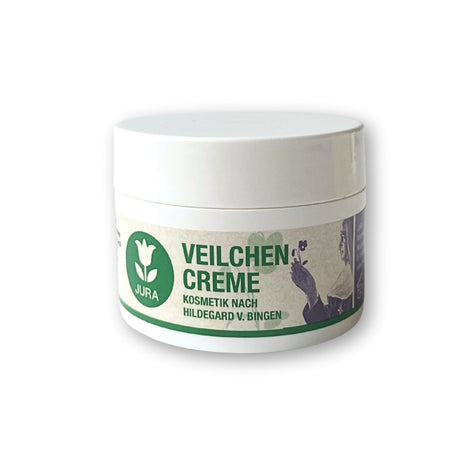
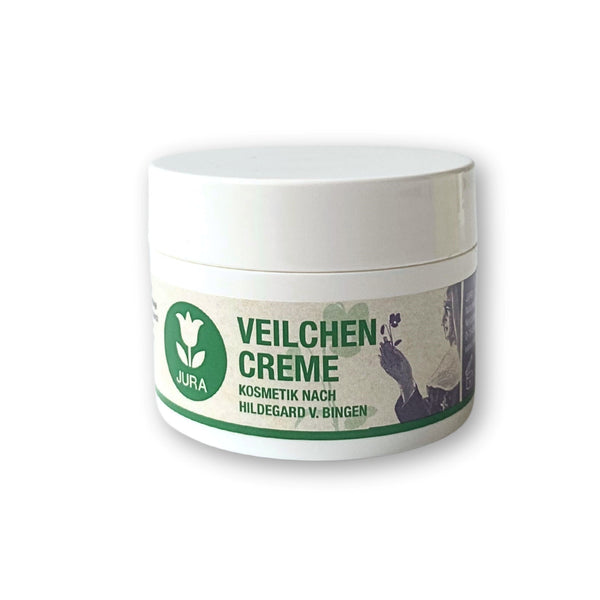
In addition to sitz baths, gentle care products are also suitable for external care of the intimate area. Our Hildegard cosmetics line includes various products based on time-honored recipes – including the well-known violet cream, which is considered a gentle skin care product in the Hildegard tradition.
Sitz Bath Basin – The Right Equipment
No large equipment is needed for a sitz bath at home. Specialist sitz bath basins are available in stores, designed to be placed on a standard toilet. Alternatively, a shallow tub or a large basin can be used. It is important that the container is clean and that the water provides enough space to sit comfortably.
| Equipment | Description | Advantage |
|---|---|---|
| Sitz bath basin (toilet attachment) | Small plastic basin for the toilet | Space-saving, inexpensive |
| Shallow tub | Larger plastic tub | More space, versatile use |
| Bathtub (filled to a low level) | Household bathtub with little water | Comfortable, suitable for alternating baths |
Frequently Asked Questions About the Sitz Bath for the Intimate Area
How Often Should One Take a Sitz Bath?
The frequency depends on the individual reason. For acute complaints, folk medicine often describes a daily sitz bath for a few days. For general care, once or twice a week is common. If in doubt, it is advisable to consult a doctor.
Which Herbs Are Suitable for Children?
Particular caution is required with children. Chamomile is regarded in folk medicine as a mild herb that is also used with children – albeit in lower concentrations. For infants and toddlers, a sitz bath should generally only be carried out on medical recommendation. Essential oils should be completely avoided for children under three years of age.
Can Sitz Baths Be Taken During Pregnancy?
During pregnancy, sitz baths should only be taken after consultation with a doctor or midwife. Some herbs are contraindicated during pregnancy – including sage in high doses. Very warm sitz baths should generally be avoided during pregnancy.
Sitz Bath and Nutrition – A Holistic Perspective
Traditional naturopathy emphasizes the connection between nutrition and skin health. Many complaints in the intimate area – such as itching or irritation – can also be influenced by diet. Those who wish to find out more will find useful background information in our article on foods for inflammation. Likewise, our overview of bitter herbs provides insight into the traditional use of herbs in nutrition. As a supplement, it is worth taking a look at our herb and spice range, which offers a variety of time-honored plants for everyday use.