
This article explains what Habermus actually is, where the name comes from, how the classic recipe works, and which variations have proven themselves.
What is Habermus?
Habermus is a warm grain porridge. The name comes from the South German dialect: "Haber" is the old form of oats, and "Mus" refers to a thick porridge. Literally, Habermus means oat porridge — and historically it was exactly that, a simple everyday dish made from whatever the fields provided.
The Habermus associated today with Hildegard von Bingen is a spelt variation. To be honest about its origins: Hildegard left behind no recipe under this name. What her writings convey is an appreciation for spelt as a grain. The combination of this South German porridge dish with spelt to create "spelt Habermus" is a later compilation — but by now so well established that it has founded its own tradition.
The Basic Recipe
For 2 servings, preparation time approximately 10 minutes.
Ingredients
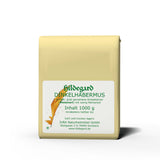
- 100 g spelt Habermus
- 500 ml water
- 1 pinch of salt
- 1 apple or a handful of berries
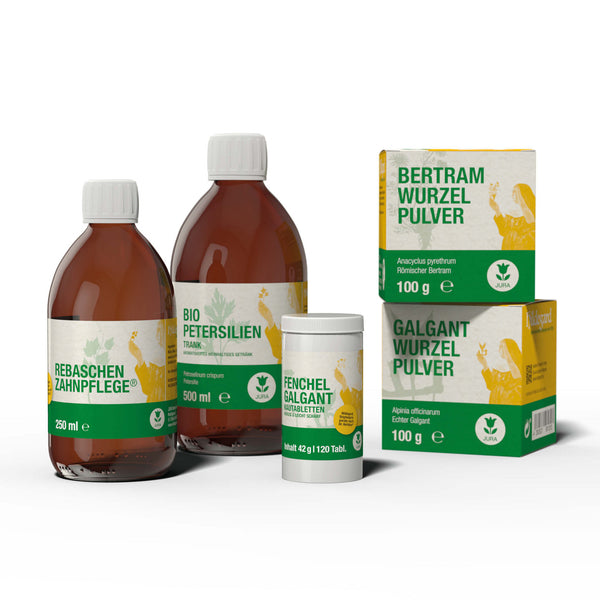
- ½ tsp galangal root powder
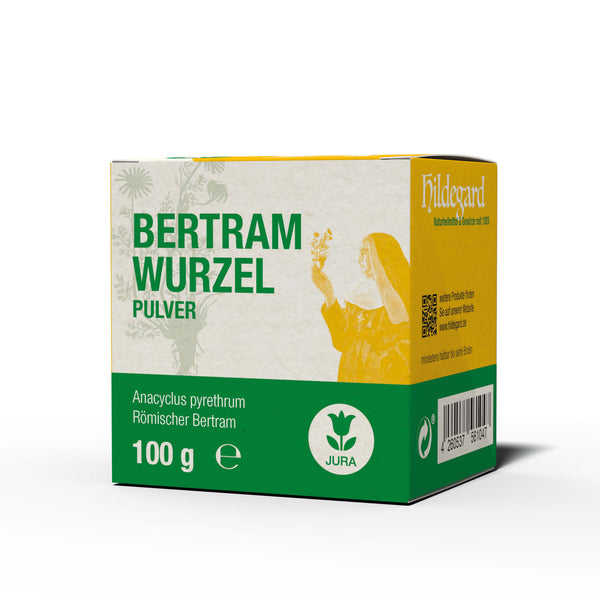
- ½ tsp pellitory root powder
- 1 pinch of cinnamon
- Honey to taste
Preparation
- Place the spelt Habermus in a pot with the water and salt and bring to a boil while stirring.
- Reduce heat and allow to swell for 5 minutes, stirring occasionally.
- Remove the pot from the heat. Chop the apple and fold it in.
- Only now stir in the spices. Galangal, pellitory, and cinnamon lose their aroma during cooking — they belong in the finished porridge, not in the pot.
- Season to taste with honey and leave to stand for two to three minutes. The porridge will continue to thicken.
On consistency: Too thick? Stir in a splash of hot water. Too thin? Let it swell for two minutes longer. The porridge thickens considerably as it cools — it is better to take it off the heat slightly too runny than too thick.
Matching this article
Variations
With Milk Instead of Water
Makes the porridge creamier and milder. The ratio stays the same, just keep the heat slightly lower and stir more frequently — milk burns more quickly. Oat, almond, or spelt milk also work.
In the Evening
Habermus is traditionally eaten as breakfast, but it is equally common as an evening meal. Those who eat it in the evening usually leave out the fruit and honey and season it more heartily — with just pellitory and a pinch of salt.
Soaked Overnight
Those who have no time in the morning can prepare the porridge cold the evening before: pour water over the Habermus, leave it in the fridge overnight, and warm it up briefly in the morning. This saves five minutes in the morning and makes the porridge slightly milder.
With Other Spelt Products
| Ingredient | Result |
|---|---|
| Spelt Habermus | The classic blend, ready to use |
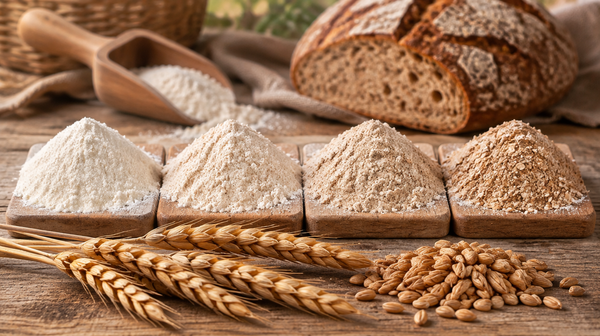
| Spelt flakes | Heartier, with more texture |
| Spelt instant flakes | Very fine, quickest to prepare |
| Spelt semolina | Creamy, almost pudding-like |
The Spices
What distinguishes Habermus from ordinary porridge are the spices of the monastery tradition. Three are commonly used:
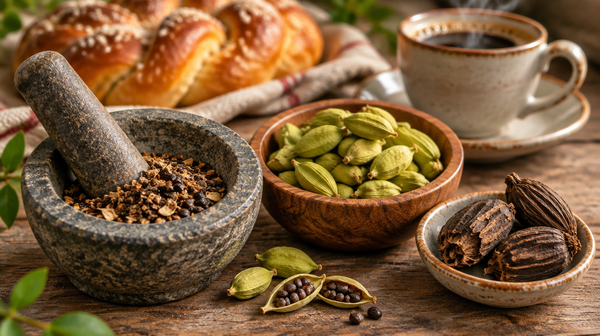
- Galangal — warm and ginger-like, the defining note.
- Pellitory — mildly earthy with a distinct tingle on the tongue. Use sparingly the first time — the tingle can come as a surprise.
- Cinnamon — fine Ceylon cinnamon, rounds everything off.
Those who wish can add a pinch of nutmeg — though the rule here is: stick to just a pinch, nutmeg is the most potent spice in the cupboard.
For the sweet version, the honey can also be replaced with chestnut flour in honey — this also gives the porridge an additional nutty note.
Practical Tips
- It is worth cooking a larger quantity. Habermus keeps covered in the fridge for two to three days and can easily be reheated with a splash of water.
- Pre-mix the spices in a small jar. Those who mix galangal, pellitory, and cinnamon once in the right ratio save themselves reaching for three jars every morning.
- Do not cook for too long. Five minutes is enough. Longer only makes the porridge sticky.
- Store in a cool, dark place. The 1 kg package lasts approximately three weeks with a daily breakfast serving.
Frequently Asked Questions
What exactly is Habermus?
A warm grain porridge. The name comes from the South German dialect: "Haber" is the old form of oats, "Mus" a thick porridge. The variation that is widespread today is made from spelt.
Is Habermus the same as porridge?
In principle, yes — cooked grain porridge. The difference lies in the grain (spelt instead of oats) and in the spices of the monastery tradition.
How long does Habermus need to cook?
About 5 minutes over low heat. Bring to a boil, reduce the heat, and let it swell.
Can you make Habermus with milk?
Yes. Milk makes it creamier. In that case, heat it at a lower temperature and stir more frequently, because milk burns more quickly.
Is Habermus eaten in the morning or in the evening?
Breakfast is the most common time, but the evening works just as well. Many people leave out the fruit and honey for the evening version.
Where can you get Habermus?
Ready-made spelt Habermus blends are available in health food shops, drugstores, and online. It can also be put together yourself from spelt flakes or spelt semolina.
How long does cooked Habermus keep?
Covered in the fridge for two to three days. Add a splash of water when reheating.
Conclusion
Habermus is uncomplicated cooking: one pot, five minutes, three spices. The most important step is also the most inconspicuous one — stirring the spices in only after cooking. Anyone who takes this to heart will immediately taste the difference from any ordinary porridge.
Further recipes from the same culinary tradition can be found on the page Recipes and spice blends according to Hildegard von Bingen, and the full range of grain products is available under Spelt products. More about the grain itself can be found on the page Spelt – Hildegard von Bingen's favourite grain.