
This article explains the difference between flat-leaf and curly parsley, how to preserve it – and what to watch out for when foraging.
Flat or Curly?
Both are the same species, Petroselinum crispum, just different varieties. The difference lies in the flavour and handling.
| Characteristic | Flat-Leaf Parsley | Curly Parsley |
|---|---|---|
| Flavour | Stronger, more aromatic | Milder, more subtle |
| Leaf shape | Flat, tripartite | Strongly curled |
| Chopping | Easy, produces fine strips | More difficult, tends to be crushed |
| Shelf life in a bunch | Wilts more quickly | Stays presentable longer |
| Typical for | Southern and Eastern European cuisine | Classic German cuisine, decoration |
If you want to cook, go for the flat-leaf. If you want to garnish, go for the curly. The reason curly parsley has endured so long as a plate garnish is precisely its robustness – it still looks fresh after an hour.
Use in the Kitchen
- Always add at the end. Parsley loses almost all of its flavour during cooking. It belongs in the finished dish, not in the pot.
- Don't throw away the stems. They contain more flavour than the leaves and are excellent for stocks and broths – they can simmer in them and are then strained out.
- Chop roughly rather than finely. Chopping too finely destroys the cells and causes the flavour to escape.
- Use generously. Unlike root spices, a whole handful of parsley is perfectly normal.
Matching this article

Preserving
Freezing – the Better Method
Parsley is one of those herbs that loses almost all of its flavour when dried. Freezing preserves significantly more of it.
- Wash, pat thoroughly dry, chop roughly.
- Fill into freezer bags or a container and freeze flat – this makes it easy to break off portions as needed.
- Alternatively, freeze in ice cube trays with a little water or olive oil.
- Do not thaw; add frozen directly to the finished dish.
Drying – Only a Second Choice
Anyone who still wants to dry parsley should know that the result will be pale. For the best way to do it, see the article Drying Herbs: Methods, Times and Proper Storage.
Is Parsley Poisonous?
Parsley itself is an ordinary culinary herb. What is dangerous is something else: misidentification.
Parsley belongs to the umbellifer family, and this plant family includes some of the most poisonous plants in Central Europe. Particularly treacherous is fool's parsley (Aethusa cynapium) – it looks deceptively similar to flat-leaf parsley but is highly toxic.
One distinguishing feature is the smell: crushed parsley smells fresh and aromatic, while fool's parsley has an unpleasantly pungent odour. This is a clue, not a guarantee.
The only safe rule: only pick what you can identify with absolute certainty. If in doubt, stick to your own pot on the windowsill or buy verified produce. The same caution applies to all umbellifers – read more on the Bärwurz page.
Parsley During Pregnancy
As a culinary herb in the usual amounts, parsley is unproblematic. Larger quantities and concentrated preparations are not recommended during pregnancy. If in doubt, consult a doctor beforehand.
Parsley in the Monastic Tradition
Parsley is among the plants described in Hildegard's Physica. It originally comes from the Mediterranean region, but was firmly established in Central European monastery gardens – it is hardy, biennial, and productive over a long period of the year.
For context: the Physica is a 12th-century text and follows an understanding of nature that is not comparable to today's. It documents the historical use of the plant.
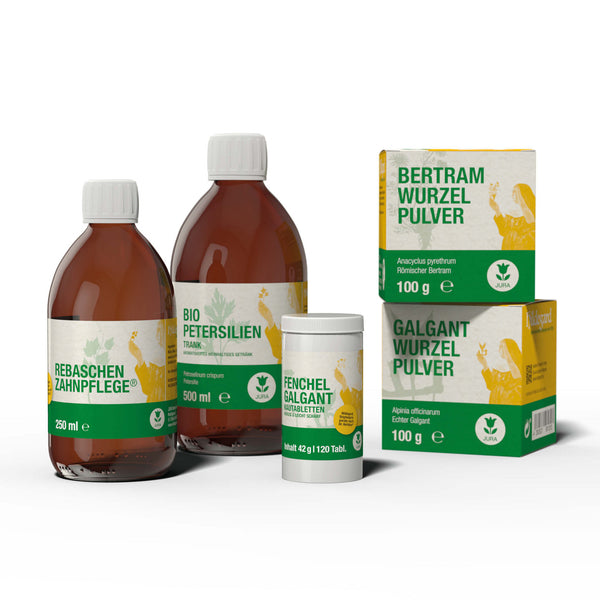
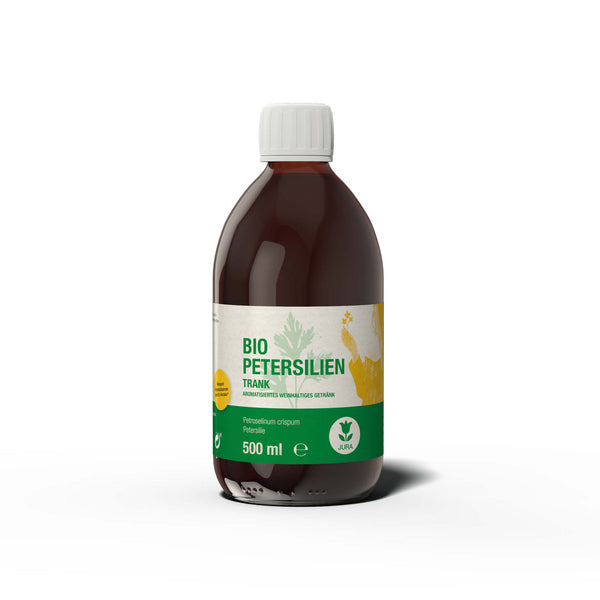
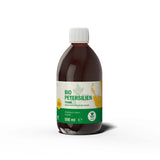
From this tradition comes a preparation that is still produced today: an herbal extract based on parsley. It is available in our range as Organic Parsley Tonic, and for a longer continuous period as a course pack of six bottles. For quantities and timing, refer exclusively to the information on the label.
Related Products in Our Range
Parsley belongs botanically to the same family as several spices from the monastic tradition – such as Organic Dill Herb, Fennel Herb and Bärwurz.
You can find the remaining herbal tonics in the Herbal Drinks category, and compared on the Herbal Tonics based on Hildegard von Bingen page.
Frequently Asked Questions
What is the difference between flat-leaf and curly parsley?
They are varieties of the same species. Flat-leaf parsley has a stronger flavour and is easier to chop, while curly parsley is milder and stays presentable for longer.
Which parsley is best for cooking?
Flat-leaf. It has significantly more flavour.
Can you freeze parsley?
Yes, and it's the better method. Wash, dry, chop, freeze flat, and add frozen to the finished dish.
Can you dry parsley?
It's possible, but it loses almost all of its flavour in the process. Freezing is far better.
Is parsley poisonous?
No. The danger lies in confusing it with the highly toxic fool's parsley, which looks similar to flat-leaf parsley. Only forage what you can identify with certainty.
Can you use the stems?
Absolutely. They contain more flavour than the leaves and are ideal for stocks and broths.
When should you add parsley to a dish?
Right at the end, after cooking. Heat destroys the flavour.