
What are bitter herbs and why are they so popular?
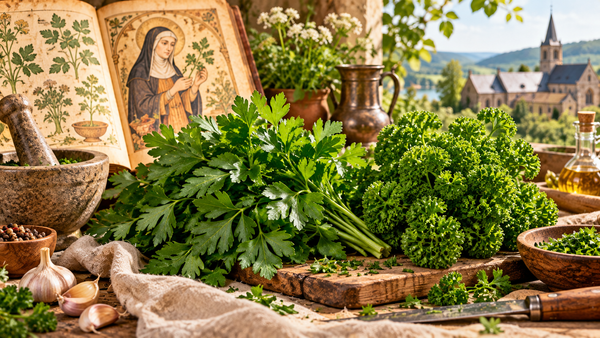
Bitter herbs are herbs that – as the name suggests – taste pretty bitter. But this flavour is actually the whole point! The bitter compounds in these herbs make them an established part of herbalism – and have done so for centuries. Hildegard von Bingen also paid special attention to bitter herbs in her writings.
Bitter herbs have a long tradition in European herbal culture. From Hildegard von Bingen to monastery medicine to modern herbalism – bitter plants are among the most frequently mentioned herbs in ancient records.
Which bitter herbs are there, exactly?
There are a few herbs that are really well known when it comes to "bitter":
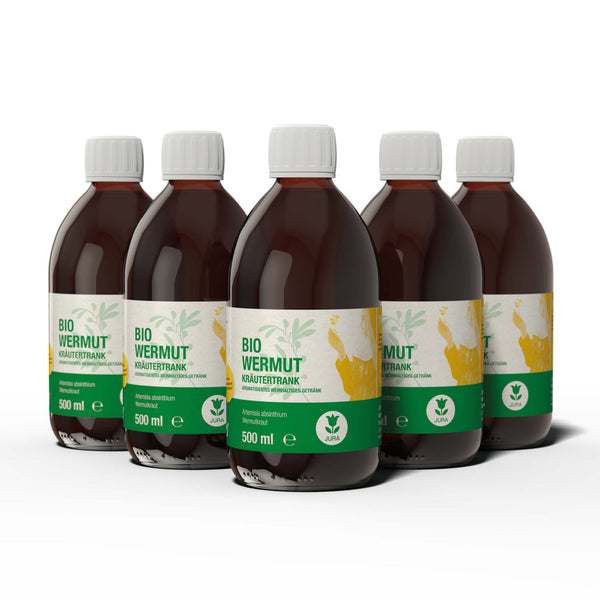
Wormwood: You may know it from traditional bitters. Wormwood is one of the most well-known bitter herbs of all and has a long history in herbalism. Its intense, sharp-bitter taste is unmistakable.
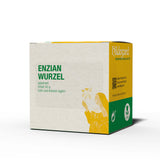
Gentian: Also really strong in flavour – gentian is one of the most bitter plants there is. It has had a firm place in herbalism for centuries and is mentioned in many traditional recipes.
Dandelion: Yes, the "weed" in the garden is really something special! Dandelion is not only bitter, but also one of the most versatile herbs in Hildegard's writings. It is one of the plants that plays a central role in herbalism.
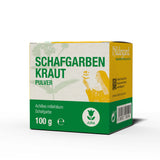
Yarrow: This plant has a mildly bitter taste and is also a classic in herbalism. Hildegard mentioned it in her writings.

Matching this article

Why do bitter herbs play such a major role in herbalism?
The most fascinating thing about bitter herbs is their long tradition:
An established part of herbal culture: Bitter herbs such as wormwood or gentian are among the most frequently mentioned plants in historical herbal writings – from the monastery gardens of the Middle Ages to modern herbalism.
Versatile uses: Whether as a tea, tincture or spice – bitter herbs can be incorporated into everyday life in many different ways. Their distinctive flavour makes them an interesting ingredient in the kitchen and in drinks.
Hildegard's teachings: In Hildegard's writings, bitter herbs such as wormwood and dandelion hold a special place. She described them in detail and attached great importance to them.
Bitter herbs at a glance:
| Herb | Flavour & Special features |
|---|---|
| Wormwood | Intensely sharp and bitter, a classic among bitter herbs |
| Gentian | Very strongly bitter, valued in herbalism for centuries |
| Dandelion | Mildly bitter, versatile, frequently mentioned in Hildegard's writings |
| Yarrow | Mildly bitter, a classic in the herbal tradition |
How can you incorporate bitter herbs into your daily life?
You're probably wondering: "Okay, sounds good, but how am I supposed to fit these herbs into my day?" Don't worry, it's really simple.
Bitter herbs as tea
The classic! Simply make a tea from bitter herbs – it's easy and straightforward. You can buy a ready-made tea blend or put your own herbs together. The taste is certainly not everyone's cup of tea, but a little honey can make it more pleasant. Also discover our herbs and teas according to Hildegard's teachings.
Bitter herbs as a tincture
Tinctures are concentrated extracts of herbs and super convenient when you need something quickly. Simply add a few drops to water or juice – done. If you don't feel like tea or are on the go, this is a quick solution.
Bitter herbs in capsules or tablets
If you really don't like the bitter taste, there are also capsules or tablets that contain bitter herbs in concentrated form. You simply take them with a glass of water – with no bitter taste at all.
Are there any precautions to keep in mind?
Bitter herbs are fascinating, but there are a few things you should keep in mind:
When should you be cautious?
If you suffer from gastritis or have an ulcer, you should be careful with bitter herbs and perhaps speak to your doctor first.
Pregnancy and breastfeeding: If you are pregnant or breastfeeding, it is better to clarify with your doctor first whether you can use bitter herbs.
Conclusion: Bitter herbs – A fascinating chapter in herbalism
Bitter herbs are a truly underestimated aspect of herbalism. They have a long tradition, play an important role in Hildegard's teachings, and offer a very special, unmistakable flavour. The next time you're curious about the world of herbs according to Hildegard's teachings, try a tea made from bitter herbs – you'll be surprised at how versatile they are.