


Why Fast According to Hildegard von Bingen?
So, fasting. I know what you might be thinking: "That sounds like deprivation, strictness, a lot of unpleasantness." But with Hildegard von Bingen, fasting is somehow different. It's not about tormenting yourself or fighting hunger all day. It's more about allowing yourself a little break. Simply slowing down, finding peace, and doing something good for yourself. And that is actually the beautiful thing about it.
Hildegard did not see fasting as a strict discipline, but as an opportunity to bring body and mind back into harmony. She described it in such a way that through fasting one can "breathe again" – as if you were getting rid of all the baggage you carry around in everyday life without really noticing it. It is not about abstaining from food, but much more about mindfulness. Like a moment in which you can simply take a deep breath.
Imagine, in this hectic world that constantly demands we do more and more, simply taking a conscious step back. No quick diets, no unrealistic goals. Simply coming to rest and concentrating on what is essential. That is exactly what Hildegard meant by her fasting. It is more than just eating less – it is an invitation to rediscover yourself and find your own inner balance.
What Does Fasting According to Hildegard von Bingen Mean?
Fasting according to Hildegard von Bingen is anything but a dry affair. She viewed fasting as something holistic – a practice that addresses body, mind, and soul equally. It is not just about eating less, but much more about becoming aware of what is truly good for you. What does it involve?
-
Conscious Time Out: For Hildegard, the body was a temple that regularly deserves rest. When fasting, you give yourself a break from everyday life – a conscious decision to slow down and focus on what is essential. A small reset that creates space for new things.
-
Mindfulness for the Mind: Fasting gives the mind space to come to rest. It is an opportunity to understand yourself better and to let go of thoughts that you constantly carry around. Hildegard also viewed fasting as a kind of spiritual retreat, to find clarity and better hear one's inner voice.
-
Soulful Balance: Hildegard knew that the body and soul are connected to one another. Fasting is not only a physical matter, but also an opportunity to engage with oneself and come back into balance. By focusing on oneself, one creates space for a deep connection with oneself.
-
Herbs According to Hildegard's Teachings: For Hildegard, nature was the most important source of inspiration. During fasting, she mentioned in her writings certain herbs and foods that can accompany fasting.
-
Gentle Fasting Methods: Hildegard was by no means a fan of extreme diets or starvation. Her approach was always gentle and considered. Fasting according to Hildegard is about not overtaxing the body, but giving it a break at its own pace.
Fasting according to Hildegard therefore does not mean tormenting yourself or creating unnecessary stress. It is a loving, mindful process in which you give yourself the time to return to your center.
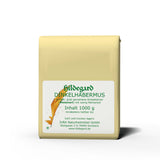
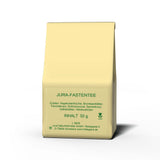
Matching this article


What Does Fasting According to Hildegard von Bingen Offer?
When you take a closer look at fasting according to Hildegard von Bingen, it quickly becomes clear: it is not simply "eating less", but a conscious time out with many facets. What makes it so special?
-
The Body Gets a Break: Think about it – how many years have you already put your body through a great deal? Whether through stress, an unbalanced diet, or simply the daily strain. Fasting gives your body the chance to catch its breath. You will quickly notice how your everyday life changes when you consciously shift down a gear.
-
More Conscious Nutrition: When you try fasting, you automatically become more mindful about what you eat. The constant routine falls away, and you begin to engage more consciously with your diet. And honestly, who hasn't had the feeling that in everyday life you simply eat too thoughtlessly? Fasting brings a new perspective.
-
Tradition According to Hildegard: Hildegard was firmly convinced that fasting is an important part of a conscious life. In her writings she described how herbs and conscious nutrition can accompany fasting. It is almost as if, through fasting, you experience Hildegard's teachings in a very practical way.
-
New Perspectives: A pleasant side effect: many report a new outlook on everyday life after a period of fasting. You perceive yourself more consciously, appreciate the small things more, and often feel truly refreshed after fasting.
-
A Clear Head: By the way, fasting does not only have physical aspects. You will notice that your head somehow becomes freer too. When you consciously take a break, everything somehow feels clearer. You become more focused and have more space for the important things.
Fasting according to Hildegard is therefore not a short-term measure, but rather an opportunity to give yourself a conscious time out. It is like a little pause in which you come to rest and at the same time create clarity for the mind. And the best part: it does not feel like a strict diet – it is more of a loving withdrawal that helps you find your way back to your natural rhythm.

Hildegard von Bingen Fasting: The Fasting Rituals
Fasting according to Hildegard von Bingen was not only a physical matter. For her, it also included a spiritual dimension. She believed that fasting benefits not only the body, but also the soul. It was a way to engage with oneself and find inner peace. If you want to practice fasting according to Hildegard, there are a few rituals you can incorporate to make the whole process even more conscious.
Here are some of the most important elements of her fasting rituals:
| Ritual | Description |
|---|---|
| Prayer and Meditation | Hildegard placed great value on spiritual mindfulness. During fasting, she recommends praying and meditating regularly in order to calm the mind and focus on one's own inner voice. |
| Rest and Retreat | Fasting is not only a physical process, but also a mental one. She recommended consciously withdrawing from the outside world during fasting in order to learn more about oneself and gain inner clarity. |
| Mindful Eating | Even when fasting, you should eat mindfully and consciously. Hildegard recommended choosing easily digestible and nourishing foods – without haste and without excess. |
| Herbs According to Hildegard | Hildegard was known for her herbal teachings. In her writings she mentioned certain herbs that can accompany fasting and lend the fasting period a special character. |
| Daily Rituals and Pauses | She emphasized that fasting should be perceptible not only in the body, but also in the mind and in the daily routine. Regular pauses in which one reflects on oneself are just as important as the fasting itself. |
These rituals are intended not only for the body, but also for the soul. They help you to shape the fasting period consciously and mindfully, and to make it a true enrichment for your life.
How Does Fasting According to Hildegard von Bingen Work? A Practical Guide
If you have now become curious and would like to try fasting according to Hildegard yourself, you are surely wondering how best to approach it all. Don't worry – it doesn't have to be complicated! Here is a simple step-by-step guide on how you can integrate fasting according to Hildegard into your everyday life.
-
Preparation Is Everything: Fasting is not a spontaneous project, but should be well prepared. Hildegard recommended consciously tuning in to the fasting period a few days beforehand – whether through light food or through a conscious decision to live more slowly and mindfully. This makes getting started much easier later on.
-
Start Slowly: You do not have to immediately start a complete fasting cure. Hildegard recommended approaching it gradually, especially if you have never tried fasting before. Begin, for example, with one day on which you only consume fruit, vegetables, and herbal teas. You can also incorporate the drinking of broths to gently prepare the body for the fasting process.
-
Listen to Your Body: When fasting according to Hildegard, it is important to listen to your body. You will notice how your body reacts when it receives less or different food. If you are hungry, you can, for example, reach for a broth or a herbal tea – nothing heavy, but nonetheless beneficial. Fasting is not "starving until you collapse", but "taking time and being mindful".
-
Herbs and Teas: A central component of fasting according to Hildegard are the herbs. Hildegard mentioned certain plants in her writings that can accompany fasting. Herbs such as nettle, dandelion, or fennel are among the classics in Hildegard's teachings. You can consume these herbs in the form of teas or infusions.
-
Rest Periods and Relaxation: Fasting also means taking more time for yourself. Hildegard emphasized the importance of rest periods and relaxation. When fasting, try to consciously allow yourself moments of stillness every day. This could be a short meditation, a walk in nature, or simply a few minutes of deep breathing.
-
Gentle Return to Normal Eating: The transition back to normal eating should also be gentle. Hildegard recommended beginning again with easily digestible foods after fasting – such as steamed vegetables or spelt porridge. This allows the body to slowly readjust to normal food.
Fasting according to Hildegard is therefore not extreme discipline, but rather a mindful journey to oneself. It is about taking time, listening to your own body, and living in harmony with it.
Experiences with Fasting According to Hildegard von Bingen
There are many people who have already had experiences with fasting according to Hildegard von Bingen, and their reports are overwhelmingly positive. Perhaps you are wondering whether it is really as enriching as it sounds. I can tell you: yes, it is not just theory – many who have taken this path report real, tangible experiences.
A common point that many mention is the perceptibly changed sense of well-being after fasting. It is not just about outward changes, but also about a feeling of lightness. Fasting is often described as a kind of "reset" – as if you can finally breathe again. This is not just a brief recovery; many report a lasting feeling of mindfulness that endures for a long time.
Another point that is repeatedly mentioned is mental clarity. Through fasting, the mind gets space to breathe and free itself from the daily flood of thoughts. In the stillness, many feel a new sense of balance and can order their thoughts more clearly. It is almost as if the mind suddenly seems less "overloaded".
What has also impressed many is the spiritual aspect. Fasting according to Hildegard is not only physical; it is also about an inner journey. People report a deeper connection with themselves and a more conscious engagement with their own body. It is less a "depriving" fast, but rather a "reflecting on oneself". And that can be astonishingly enriching.
Of course, there are also some who find fasting challenging, especially at the beginning. But most say that the effort is truly worthwhile – especially when the fasting period is approached consciously and mindfully. It is not about tormenting yourself, but about learning to engage more mindfully with yourself.
So if you are considering whether to try fasting according to Hildegard, it can help to listen to the experiences of others. Many report that through fasting they not only perceive their body more consciously, but have also rediscovered their own inner peace.
Conclusion: Fasting According to Hildegard von Bingen – A Holistic Approach for Body and Mind
Fasting according to Hildegard von Bingen is far more than just a temporary abstinence from food. It is an invitation to reach a deeper level of well-being – both physically and mentally. It is not about strict rules or enduring a difficult diet, but about mindfulness, introspection, and conscious withdrawal.
The true value of fasting according to Hildegard lies in its holistic nature. It combines the rest of the body with the reflection of the mind and soul. Fasting becomes a gentle journey in which you not only give your body a break, but can also organize your thoughts and find peace. It is a moment of reflection that leads you back to yourself in this hectic world.
Many people appreciate fasting according to Hildegard – from a more conscious approach to nutrition through to greater clarity in everyday life. But the spiritual aspect should not be underestimated either: fasting can create a deeper connection to yourself and to your inner equilibrium. It is a way to become "lighter" not only outwardly, but also inwardly.
Fasting according to Hildegard von Bingen is not a short-term trend, but a long-term approach that helps you come back into harmony with your body and mind. It is a path that enables you to shape your life in a more mindful and conscious way – without haste, without pressure, but with love and respect for yourself.
So if you feel that it is time for a break, fasting according to Hildegard could be the right path for you. It is a wonderful opportunity to get to know yourself better and gain new perspectives for everyday life. Also discover our cures according to Hildegard's teachings and herbs according to Hildegard.