
You know, I used to see dandelion as nothing but a pesky weed. In the lawn, in the garden – I'd pull it out without a second thought. Until my grandma took me along to gather dandelions. She told me that this plant produces a tincture that had been a part of her life for years – as a fixed ritual in her daily routine.
Back then I didn't understand much, but I remember how we stood outside together, pulling roots from the ground and carefully cleaning them. It wasn't just the gathering that stayed with me – it was the feeling of taking something precious directly from nature.
Since then I've been making my own dandelion tincture. For me it's more than a home remedy – it's a small escape, a moment of connection with nature, and I truly enjoy this mindful ritual.
If you'd like, I'll tell you here how you can do it too – step by step, without stress, but with a whole lot of love for the details. And I'll share with you what Hildegard wrote about dandelion and how the tincture can accompany you in everyday life. Because in the end, it's all about discovering the little treasures from nature and making a very personal connection with them.
What is dandelion tincture?
You know, I used to barely notice dandelion. To me it was just an annoying weed that always grew in the way. Until one day I went out with my grandma to gather dandelions – and she showed me how she makes a tincture from them. For me it was like a little ritual: we bent down, carefully pulled the roots from the earth, I felt the cold soil on my fingers and smelled that slightly earthy scent.
The tincture itself? A small glass with a dark liquid that is so much more than just alcohol and plant combined. For me it's like a piece of nature, captured and concentrated – almost as if the sun and the power of the earth had been sealed into a little bottle. When I use it, I'm reminded of those moments outside in the garden, the calm and the connection to nature.
And that's exactly what makes the difference for me: it's not simply a product you take. It's a companion, a small piece of nature that I bring into my everyday life – accompanying me when I want to give myself a mindful pause.
What makes dandelion tincture so special?
I still remember the first time I consciously incorporated dandelion tincture into my daily life. It wasn't a sudden, major change – it was more of a gentle feeling of doing something good for myself. After a stressful period when I was often exhausted, I started taking the tincture regularly – morning and evening, almost like a small ritual for myself.
What I noticed was a lightness in my everyday life. I had the feeling of consciously taking time for myself and listening to my body. That, for me, is the beautiful thing about dandelion: it reminds us that nature has so much to offer. Hildegard von Bingen devoted special attention to dandelion in her writings – it is among the plants that play an important role in her teachings.
What I find particularly fascinating is that this interest in dandelion is no new invention. Hildegard von Bingen, the great herbalist of the Middle Ages, already described dandelion as an important plant. For her, dandelion was a firm part of her teachings. And that's exactly what I still find fascinating today when I take my tincture: it's as if I'm bringing a small piece of that ancient tradition into my everyday life.
So the next time you feel like trying something natural and giving yourself a mindful break, simply give dandelion tincture a try. It's no magic, but a loving companion for mindful moments in your daily life.
Dandelion tincture according to Hildegard von Bingen
I still remember clearly the day my grandma first told me about dandelion tincture – we were sitting in her little kitchen, the scent of freshly brewed tea in the air, and she told me about Hildegard von Bingen, that wise woman who already knew, more than 800 years ago, how important it is to pay attention to the little plants along the wayside.
Back then I thought: "Dandelion? The weed from the garden?" But my grandma smiled and said: "Exactly that. Nature has so much to give us, if we only look." We went outside into the garden together, searched for the sturdy roots, and I felt how I came to a sense of calm in the process – despite all the bustle in my head.
When we prepared the tincture, it felt like a small ritual to me. I remember the patience, the waiting, the observing. This tincture was not simply a product, but a piece of history and love in a jar. And when I smell it today, I feel that connection – as if the plant were embracing me and saying: "I am here for you."
For me, the dandelion tincture according to Hildegard von Bingen is therefore so much more than just a home remedy. It is a friend, a piece of nature that accompanies me when I need it – gently and reliably. And that is exactly the experience I wish for you too.

Making dandelion tincture yourself – step by step
I have to be honest with you: when I first wanted to make dandelion tincture myself, I was a little unsure. Where exactly do I find the best plants? How do I properly prepare the roots and leaves? And above all: how long does all of this actually take?
The best approach is to take your time on a quiet day and head out into nature – ideally somewhere you know is free from pesticides or road fumes. I've learned that dandelion roots are especially rich in autumn, but in spring you can also gather the young leaves and flowers.
Once you've found the plant, it's time to dig. I still remember how my hands smelled of earth and how that little bit of dirt somehow connected me to nature. The roots should be thoroughly washed so that no soil remains. That can sometimes be quite fiddly, but that's exactly what makes the whole thing so special to me: it's a mindful moment, a genuine experience.
Then comes the most important step: the roots and/or leaves are chopped small and placed in a clean jar. You then pour alcohol over them – ideally a high-proof one that draws the active compounds out of the plant. Seal the jar, attach a small label with the date, and then it's time for patience. The tincture should steep for two to six weeks – the longer, the more intense.
I personally give the jar a gentle stir from time to time and always feel a little joy when I see how the colour slowly changes and the essence of the dandelion draws into the liquid. After the resting period, you strain everything – and your small, homemade natural product is ready.
It always feels special to me to have made such a tincture myself. You take time for yourself and for nature, and in the end you hold something in your hands that can accompany you in everyday life.
How do you take dandelion tincture correctly?
I still remember the first morning I tried my homemade dandelion tincture. To be honest, I was a little unsure how best to incorporate the small bottle into my daily routine. The bitter, herby taste at first? Yes, that surprised me! But I soon realised: it's exactly this flavour that over time starts to feel like a familiar ritual.
My little routine looked like this: add a few drops to a glass of water, drink it mindfully and take a brief deep breath. For me this became a moment that helps me slow down and give myself a small pause. Sometimes, when I was particularly tired or stressed, I took the tincture in between – almost like a little friend saying: "Hey, I'm here for you."
I also remember being very cautious at the beginning, starting with just a few drops and waiting to see how I felt. It was wonderful to observe how this small ritual became a fixed part of my day – no drama, no magic, just a very gentle, natural companion.
And of course I wondered whether this suits everyone. That's why I always recommend listening to your own body. If you're unsure, it's best to speak with someone who knows the subject. For me, the topic of tinctures has simply become a small piece of mindfulness in everyday life that I wouldn't want to do without.
Buying dandelion tincture – what should you look out for?
I remember when I wanted to buy dandelion tincture for the first time. To be honest, I was completely overwhelmed – online, in small shops, there were different options everywhere. There I stood, with my little note in hand, wondering: "What do I choose? How do I find the right one?"
What really helped me: not just looking at the ingredients, but also considering who is behind the tincture. I like it when small artisan producers or passionate people are behind it – they usually also tell me where their dandelion comes from, how they gather it and why they love this particular tincture so much.
Sometimes when buying I also made the mistake of going for products that were too cheap – and I have to be honest with you, you could sometimes tell. There was something missing, that certain quality and freshness I expect from a good tincture.
What I've learned: a good dandelion tincture still smells and tastes of nature, of earth and sun. And when you sense that, you know there's real quality inside.
I think it's lovely to also trust your gut feeling when buying – because in the end that's exactly what counts: how does the product feel to you? Take your time, and if you find someone who shares their own story with the tincture, you've usually already got a good tip.
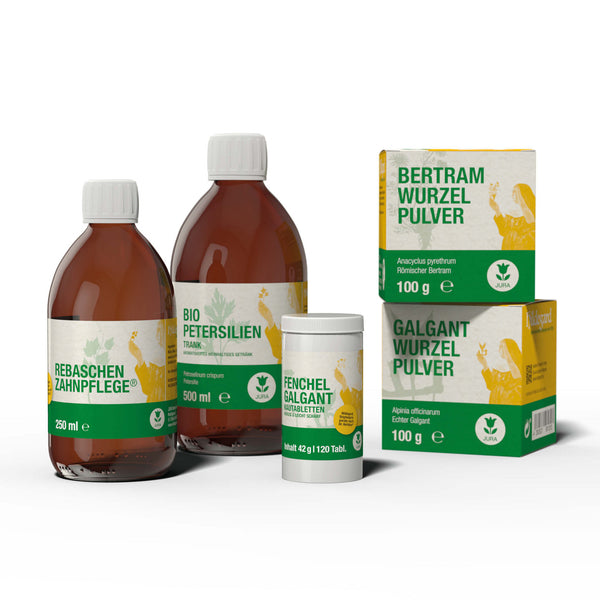
For me it has become something of a little adventure: searching for the true treasures from nature that accompany me. Discover also our herbal drinks according to Hildegard's teachings – and let yourself be inspired!