



It's half past eleven, you've been lying in bed for two hours, your mind is replaying the day's events in full – and somewhere between the unanswered email and the question of whether you'll wake up early enough tomorrow, the inner carousel starts spinning, slowly but unstoppably. You know the feeling. Anyone who googles "falling asleep better with herbs" is usually searching on exactly those kinds of nights. One honest thing upfront: herbs are not sleeping pills. What they can be is part of a calmer evening rhythm – and that is precisely the idea that Hildegard von Bingen has been conveying in her writings for almost 900 years.
Why Hildegard's View of the Evening is Surprisingly Relevant Today
Hildegard von Bingen was a Benedictine nun – and the Benedictine way is, at its core, a rhythm of life. "Ora et labora" – pray and work – is the short version. What many overlook is that this equally includes a structured end to the day. In the monastery, the evening is not what is left over when everything else is done. It is its own protected time – with silence, simple food, and the conscious preparation for the night.
Those who struggle to fall asleep today often live the opposite. The day frays at the edges, the phone glows until the very last second, dinner comes late and heavy. Hildegard's answer is not "take this or that" but rather: look at the whole day. Sleep is the result of what happened before. Read more about this perspective in our article on the Hildegard teachings at a glance.
Discretio: Moderation as the Key to the Night
When you read through Hildegard's works, one word keeps appearing: discretio. Moderation. For her, this is not dry discipline, but an almost gentle recommendation: neither too much nor too little. Don't eat too late, but don't go to bed hungry either. Don't work too late into the night, but don't idle about all afternoon either. Exercise, yes – but please not a full crossfit session an hour before bedtime.
Sounds like common sense. And it is. What is remarkable is that Hildegard wrote this down in the 12th century in exactly the same way – without a sleep laboratory, without an activity tracker, simply from careful observation of human nature.
Matching this article

What a Hildegard Evening Could Look Like
Those who want to draw closer to the monastic tradition don't need to move into a monastery. But a few elements translate surprisingly well into a normal evening:
| Element | In the Tradition | In Today's Daily Life |
|---|---|---|
| Moderate evening meal | Light, warm dishes | Soup, stew, spelt dish instead of heavy food |
| Clear end to the day | Compline as evening prayer | A conscious closing point – a book, writing things down, a brief moment of silence |
| Herbal tea | Monastery evening infusions | A cup of tea as a ritual, not as a miracle cure |
| Calm lighting | Candlelight | Dimmed lighting instead of bright ceiling lamps |
| Silence | Monastic silence in the evening | Last half hour without screens |
The wonderful thing about this: there is nothing here that needs to be bought or downloaded. These are choices. That is precisely what makes it difficult and, at the same time, effective.
Herbs That Belong to the Evening in the Monastic Tradition
In the Hildegard tradition and the later monastic healing arts, certain plants appear again and again in connection with the evening. An important note upfront: this is cultural heritage, not medical proof of efficacy. Specific health-related claims are not permitted today – but that does not make the tradition any less rich.
Lemon Balm – the Friendly Monastery Herb
Hildegard writes a much-quoted phrase about lemon balm: that it makes "the heart merry." Little more need be said about a plant that smells of fresh lemon and has stood in monastery gardens for centuries. Lemon balm tea in the evening is a classic. Read more in our article on natural calming remedies in the tradition.
Lavender – the Classic with the Unmistakable Scent
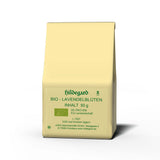
Lavender has been a staple of Mediterranean and Central European monastery gardens for centuries. As a tea, as a fragrant herb in a pillow, as a component of herbal baths. Hildegard refers to it in dedicated passages. As a tea, lavender is not for everyone – those who try it do best to blend it with lemon balm.
Hops and Valerian – the Old Duo
Many people know these two mainly from pharmacy blends, but their tradition stretches far back into the Middle Ages. Valerian root has a very distinctive smell – let's say: an acquired taste. In herbal blends with lemon balm or hops, it is traditionally used in the evening.
Fennel – Mild and Gentle
Fennel is often underestimated, but in the monastic tradition it was a versatile herb – used in the evening too, in mild infusions, sometimes together with anise. Hildegard devotes dedicated passages to it in her Physica.
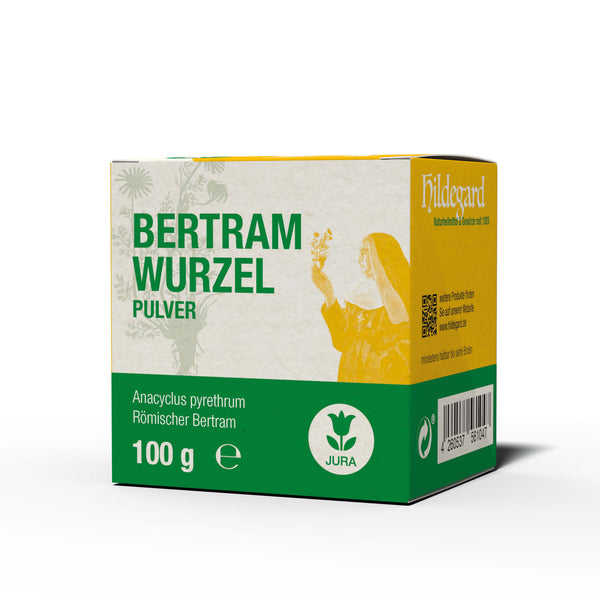
Masterwort – the Hildegard Speciality
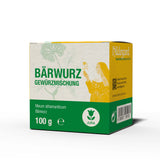
A plant that today is found almost exclusively within the Hildegard tradition. Her masterwort spice blend is one of the classic Hildegard recipes. Those interested in such time-honoured blends will find various classics in the herb range.
The Evening Herbal Tea as a Ritual
Here comes the most honest part of this article: what probably works most powerfully about tea in the evening is not the herb itself, but the ritual. Putting the water on to boil, taking a moment to smell the tea, drinking it in peace, perhaps reading a book alongside it. All of this sends very clear signals to the body: the day is almost over. We are winding down.
A classic monastery evening blend from the tradition:
- Lemon balm (main component)
- Lavender flowers (used sparingly)
- A little fennel
- A pinch of hops
Preparation: pour hot water over a heaped teaspoon of the blend, leave to steep for six to eight minutes, then strain. Enjoy about an hour before going to bed – not immediately before lying down, otherwise you'll be getting up again in the night. In the herbal tea range you will find various blends from the monastic tradition.
Herb Pillows – the Overlooked Detail
In the old monastic tradition, herb pillows existed long before anyone thought of marketing them on lifestyle blogs. A small pillow filled with dried herbs, placed under the pillow or on the radiator – the scent unfolds over hours in the room. Classic fillings: lavender flowers, hop cones, lemon balm leaves, sometimes rose. It naturally does not replace a restorative day – but as a small detail of the evening ritual, it is surprisingly pleasant.
What Hildegard Says About Sleep Itself
Hildegard sees sleep not as a mere pause, but as an important part of life – the counterpart to the wakeful, creative time. In her logic, those who sleep poorly rarely have a sleep problem; they have a daytime problem. Too much worry, too little movement, food that is too heavy, too little silence. These are the points at which she intervenes.
This view is quite modern today. Sleep research has been saying the same thing for years: sleep hygiene does not only mean keeping the bedroom dark, but shaping the entire day in a way that suits the night. Hildegard's concept – daily rhythm, simple food, movement in the fresh air, silence, community – reads like a manuscript of this modern recommendation. Written 850 years ago. Read more about her philosophy of life in our article on nutrition according to Hildegard von Bingen.
Small Practical Aids for the Evening
A few things that are taken for granted in the monastic tradition – and are sometimes forgotten in normal daily life:
- The last larger meal about three hours before bedtime – and keep it light
- Put the phone down half an hour to an hour before going to bed
- The same bedtime, even at weekends – the body loves repetition
- The bedroom on the cooler, darker, and quieter side
- If your mind is racing: write down what is in your head – it takes a surprising amount out of it
- A warm foot bath with a herbal addition is an old, very underrated remedy
None of this is new, none of it costs much, none of it is spectacular. But together, these things make a difference.
When It Is More Than Just "Sleeping Badly"
Anyone who cannot find rest for weeks on end should not try to solve that with a cup of tea. Persistent sleep problems often have causes that cannot be resolved by herbs and rituals alone. If the following applies to you, your GP is the right person to see:
- Difficulty falling or staying asleep over several weeks
- Severe daytime exhaustion that won't go away
- Rumination that is restricting daily life
- Persistently low mood
- Physical accompanying symptoms such as palpitations, shortness of breath, or unexplained pain
Herbal tradition complements a calm evening – it does not replace a diagnosis. Hildegard was pragmatic enough to say exactly the same herself.
What Hildegard Would Have Said Today
If you could ask Hildegard today how to fall asleep better – my guess is: she would not talk about herbs. She would ask when you last really went outside. What your lunch looked like. Whether you ate today in peace or between two emails. Whether you truly had a proper close between work and bed, or whether the two had simply merged into one another. And only then, at the end, might she say: drink a tea. Made from lemon balm. And go to bed early.
That is the Hildegard answer to the modern problem of googling sleep solutions. Simple, unspectacular, wise.
Further Reading
- Natural calming remedies in the tradition
- Nutrition according to Hildegard von Bingen
- Hildegard's teachings at a glance
- Hildegard herbs at a glance
- Bitter herbs
- Galangal according to Hildegard
- Herb range
- Herbal teas
Frequently Asked Questions About Falling Asleep with Herbs
Can you really fall asleep better with herbs?
Herbs are not sleeping pills. What they can be is part of a calm evening ritual. What probably works most is everything surrounding them – the conscious close to the day, the gradual winding down towards bed, the ritual itself. For persistent sleep problems, your GP is the right person to see.
Which herbs are mentioned in the tradition for the evening?
Classics are lemon balm, lavender, hops, valerian, and fennel. In the Hildegard tradition, masterwort is also among the time-honoured plants.
What does Hildegard von Bingen say about sleep?
Hildegard does not view sleep in isolation. In her logic, those who sleep poorly usually do not have a sleep problem, but a daytime problem. She recommends a regular rhythm, moderate food, movement, silence, and a clear end to the day.
What does "discretio" mean in Hildegard's work?
Moderation. For Hildegard, this is not rigid discipline, but a gentle recommendation: neither too much nor too little – in eating, working, movement, and stimulation. For the evening, this means: light food, quiet hours, a clear close to the day.
How do I prepare a monastery evening tea?
A classic blend from the tradition: lemon balm as the main component, a little lavender, fennel, and a pinch of hops. Pour hot water over a teaspoon of the blend, leave to steep for six to eight minutes, then strain. About an hour before going to bed.
Are herb pillows worthwhile?
In the monastic tradition, they were a matter of course. A small pillow filled with lavender, hops, and lemon balm can be a pleasant part of the evening ritual. It does not replace anything – but it makes the transition to the night a little nicer.
Which foods does the monastic tradition avoid in the evening?
Hildegard recommends light, warm dishes in the evening. Heavy, fatty, or strongly spiced meals late in the evening do not fit her concept of moderation. Soups, light stews, or a spelt dish are more in keeping with the spirit of the tradition.
Does a warm foot bath help with falling asleep?
A warm foot bath is a time-honoured companion of the evening, well established in the monastic tradition. Prepared with lavender flowers or lemon balm, it becomes a quiet ritual – not as a remedy, but as a pleasant transition.
What if I have been sleeping badly for weeks?
Then it is time for a conversation with your GP. Sleep disturbances over several weeks often have causes that cannot be resolved by herbal tea alone. Herbal tradition complements – it does not replace a diagnosis.
Note: This article is intended solely for general information about plants, tradition, and the teachings of Hildegard von Bingen. It does not constitute a medical or therapeutic recommendation. For persistent sleep problems or distressing thoughts around sleep, please consult a doctor or healthcare practitioner.