
Anyone who delves into the world of bitter herbs will sooner or later come across one name: Heidelberger 7 Herbs. The powder has secured a firm place in the field of herbal blends over the decades and appears in many experience reports. Here we take a closer look at exactly what lies behind the product, where the name comes from, and how the blend fits into the long tradition of herbalism – including Hildegard von Bingen.
Who was Bertrand Heidelberger?
Behind the well-known name stands a real person: Bertrand Heidelberger, a Swiss naturopath and phytotherapist who put together the blend in the 1970s. Heidelberger worked for many years with patients who had digestive complaints and experimented with various bitter herbs. This eventually led to the recipe known today as "Heidelberger 7 Kräuter Stern". Remarkably, the concept of a finely tuned bitter herb blend is considerably older and can be traced back to the Middle Ages in European monastic medicine.
Which seven herbs are included?
The exact recipe varies depending on the manufacturer and brand. The classic formulation contains these seven plants:
| Herb | Botanical Name |
|---|---|
| Wormwood | Artemisia absinthium |
| Anise | Pimpinella anisum |
| Fennel | Foeniculum vulgare |
| Caraway | Carum carvi |
| Calamus | Acorus calamus |
| Yarrow | Achillea millefolium |
| Centaury | Centaurium erythraea |
What makes the blend interesting is the combination of classic bitter herbs (wormwood, centaury) and milder, aromatic plants (anise, fennel, caraway). This union of bitter and aromatic elements can also be found in many old monastery recipes.
Matching this article
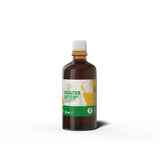
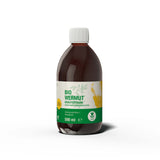
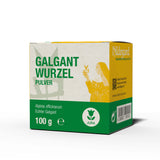
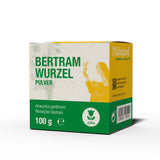
Bitter herbs in the Hildegard tradition
Long before Bertrand Heidelberger, bitter herbs already played a central role in European herbalism. Hildegard von Bingen describes numerous bitter plants in her work Physica and assigns them fixed places in her teachings. Wormwood, for example, is regarded as an important plant in the Hildegard tradition, as is yarrow. Those interested in this background will find a good introduction in our article on bitter herbs as well as our overview of Hildegard herbs.
In the Hildegard teachings, bitter herbs are traditionally associated with digestion – not as a remedy, but as a handed-down component of a moderate lifestyle. Hildegard herself recommended in her writings that small amounts of bitter plants be regularly incorporated into the diet.
Application: How is the powder taken?
The classic Heidelberger powder is usually stirred into water, tea, or juice. Most users report in their experience accounts that they take it as a course of treatment over several weeks. As always: the specific instructions of the respective manufacturer should be followed, and when in doubt, it is worth speaking with a naturopath.
For many people, adjusting to the taste is initially a hurdle. Bitter flavours have largely disappeared from our diet today – in the Middle Ages, things were different. Those who wish to slowly reacquaint themselves with the taste can start with a mild bitter herb tea. A selection can be found in our herbal tea range.
Heidelberger 7 Herbs and the Hildegard alternatives
The Heidelberger powder is not the only product of its kind. Within the Hildegard tradition, distinctive blends have been established that are oriented towards the handed-down writings. Those specifically interested in the Hildegard line will find plants with us that are described in the Physica – such as galangal or traditional pellitory root. Both have been passed down in the Hildegard teachings for centuries and hold a similarly established place there as the bitter herbs do in the later Heidelberger blend.
What users report
One point frequently appears in experience reports about Heidelberger 7 Herbs: it is a taste one needs to get used to. Those who previously only knew bitterness from a digestif after dinner are initially surprised. Many report, however, that the initial reluctance fades over time – a phenomenon also familiar from black coffee or unsweetened tea. Taste is a matter of habit.
What has no place here: specific promises of efficacy. Bitter herbs are not medicines, and reliable information stays with what has been handed down over centuries – nothing more and nothing less.
What to look out for when purchasing
Anyone wishing to buy Heidelberger 7 Herbs or a comparable bitter herb blend should pay attention to a few points:
- Traceable origin of the herbs – preferably organic quality
- Clear list of ingredients without additives
- A trustworthy manufacturer with tradition
- Freshness of the blend – bitter herbs lose their aroma over time
Further reading
- Bitter herbs at a glance
- Hildegard herbs
- Nutrition according to Hildegard von Bingen
- Galangal according to Hildegard
- Pellitory root
- Herbal teas
Frequently asked questions
What is Heidelberger 7 Herbs?
A blend of seven herbs, put together by the Swiss naturopath Bertrand Heidelberger in the 1970s. The recipe combines classic bitter herbs with milder aromatic plants.
Which herbs are included?
In the classic formulation: wormwood, anise, fennel, caraway, calamus, yarrow, and centaury.
How is the powder taken?
Usually stirred into water, tea, or juice – often as a course of treatment over several weeks. Precise instructions are provided by the respective manufacturer; when in doubt, speaking with a naturopath is advisable.
What does the blend taste like?
Distinctly bitter – which is intentional. Those who are no longer familiar with bitter flavours in everyday life often need a little time to adjust.
Is Heidelberger 7 Herbs also available in organic quality?
Yes, some manufacturers offer the blend in organic quality. A clear list of ingredients without additives should be checked when purchasing.
Are there similar blends in the Hildegard tradition?
Yes. Hildegard von Bingen describes numerous bitter herbs and spice plants in her Physica. Popular representatives from the Hildegard line are galangal and pellitory root – both have been passed down for centuries.
Note: This article is intended solely for general information about herbs and their tradition. It does not constitute a medical or therapeutic recommendation. For health-related questions, please consult a doctor or naturopath.