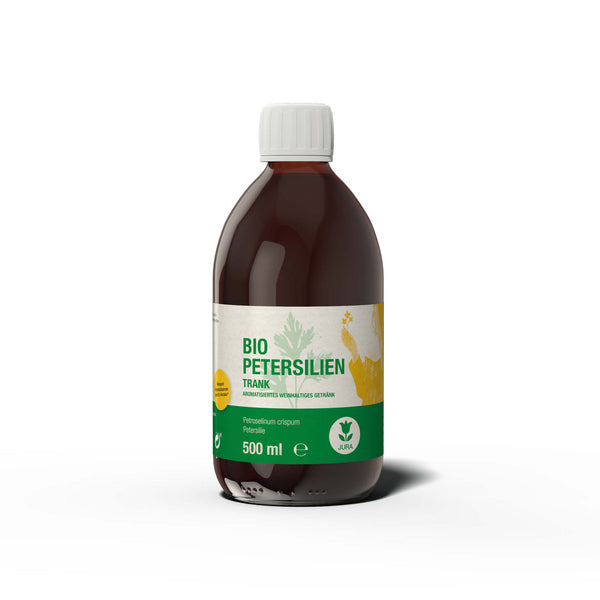
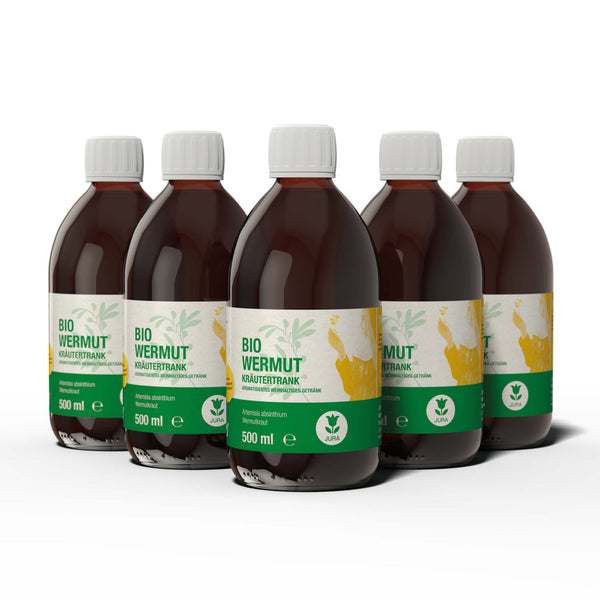


There are those moments in summer when you rub a basil leaf between your fingers in passing – and suddenly you're somewhere between Tuscany and your grandmother's kitchen table. Herbs do that. They are the most honest mediators between garden and plate, between season and mood. And the best part: you don't have to be a professional to love them. A balcony is enough, sometimes just a windowsill. This article is a journey through the world of herbs – with practical tips on cultivation, a look at the old monastery tradition surrounding Hildegard von Bingen, and a few things that many people overlook.
What a herb actually is – and what it isn't
Botanically, the matter is almost sobering: a herb is a plant with a soft, non-woody stem. That is the difference from a woody plant. In everyday life, however, we use the term more broadly – we usually mean everything we want in kitchen and garden for its aroma, flavour or tradition. Parsley and chives are herbs in the strict sense. Thyme and rosemary are technically subshrubs, but are of course counted among the culinary herbs.
This conceptual fuzziness is actually quite charming. Herbs are, after all, not a category that wants to stick to rigid definitions. Anyone who wants to read more about herbalism from the Hildegard tradition will find a good introduction in our article on Hildegard herbs.
The classics at a glance
There are a handful of herbs without which most Central European kitchens can't get very far. Anyone starting a small herb garden can use this list as a guide – these are the reliable companions throughout the year.
| Herb | Character | Goes with |
|---|---|---|
| Parsley | Fresh, mildly savoury | Soups, salads, potatoes |
| Chives | Mildly oniony | Quark, eggs, salads |
| Basil | Sweetly aromatic | Tomato, pasta, pesto |
| Thyme | Savoury, slightly bitter | Braised dishes, lamb, vegetables |
| Rosemary | Resinous-savoury | Potatoes, lamb, bread |
| Sage | Strong, slightly bitter | Saltimbocca, butter pasta |
| Oregano | Aromatic-bitter | Pizza, tomato sauces |
| Dill | Fresh, slightly sweet | Fish, cucumbers, yoghurt |
| Mint | Cool-fresh | Tea, yoghurt, summer drinks |
| Savory | Savoury-peppery | Beans, lentils, stews |
More on the classic seasoning herb of the bean tradition can be found in our article on pepper herb, and on traditional bitter herbs in our bitter herbs overview.
Matching this article


Which herbs go together?
One of the most frequently asked questions about herbs in the garden – and at the same time one where a lot of half-knowledge circulates. It involves two different things: flavour compatibility (what tastes good together) and botanical compatibility (what grows well next to each other). Many people confuse the two.
Which herbs to plant together
When it comes to bed neighbours, there are a few well-established rules of thumb. Mediterranean herbs (thyme, rosemary, sage, oregano) all like the same things: sun, poor soil, little water. These can be planted together without any problem. Water-loving herbs such as parsley, chives, basil, dill or tarragon have a very different water requirement – they go in their own bed.
Which herbs don't go together?
The notorious combination is basil and lemon balm – the two don't get along. Parsley and chives are also not good bed neighbours, although many people think otherwise. And peppermint is generally a diva: it overgrows everything nearby, so it's best kept in its own pot.
| Works well together | Better kept separate |
|---|---|
| Thyme + Rosemary + Sage | Parsley + Chives |
| Parsley + Dill | Basil + Lemon balm |
| Basil + Oregano | Peppermint + everything else |
| Chives + Salad burnet | Tarragon + Basil |
Anyone who wants to pursue this seriously plans herbs like a cosy neighbourhood diagram: who likes whom? Who needs space for themselves? Who has the same lifestyle? That's exactly how a herb bed works.
Herbs in the garden, on the balcony or in the raised bed
A great thing about herbs: they are not fussy about where they are grown. Garden, balcony, windowsill, raised bed – almost anything works. What matters more than the size of the area is sunlight. Most culinary herbs want plenty of it.
Herbs on the balcony
A sunny south-facing balcony is almost a dream location for Mediterranean herbs. Thyme, rosemary, sage and oregano love it. In pots with drainage, in lean mineral substrates, with occasional watering (not too much!). On a north-facing balcony the choice is smaller – chives, parsley, wild garlic and peppermint can manage with less sun.
Herbs in the raised bed
Raised beds are a minor revelation for herbs. The soil warms up faster, drainage is usually better, and the bed is at a back-friendly height. When planting: sun-hungry herbs at the front, shade-tolerant ones behind. Anyone using the entire raised bed as a herb bed should consider in advance whether to include some winter-hardy herbs – these stay in place year after year.
When to plant herbs?
Rule of thumb: after the Ice Saints in mid-May. Before then, a late frost can catch even hardened plants off guard. Frost-sensitive herbs like basil stay indoors until mid-May anyway. Perennial, winter-hardy herbs such as thyme, rosemary (with limitations), sage or chives can also be planted in early autumn – they will be well-rooted by the following spring.
Mediterranean herbs, Italian herbs, herbs of Provence
When you stand in the supermarket in front of the spice rack, these blends often read similarly. But they aren't. The differences have grown culturally – and they taste different too.
| Blend | Typical ingredients | Character |
|---|---|---|
| Italian herbs | Oregano, basil, thyme, rosemary, marjoram | Tomatoey, sunny, light |
| Herbs of Provence | Thyme, rosemary, savory, lavender, tarragon | Savoury, floral, bitter |
| Mediterranean herbs | Varies widely – oregano, thyme, basil, sage | Sunny all-round profile |
Notably: the classic "herbs of Provence" traditionally includes a little lavender – a detail that surprises many people. Anyone who wants to read more about classic herbs from the monastery tradition will find it in our Hildegard herbs overview.
Harvesting, drying and freezing herbs
Spring and early summer are the most beautiful harvest times for herbs. The peak aroma of most plants occurs just before flowering – that is the moment when the essential oils are most concentrated. The best time to harvest is on a dry, warm morning after the dew has evaporated.
Drying herbs
The classic method: tie into small bundles, hang upside down in a shady, airy, dry place. Sun is the enemy here – it destroys the essential oils. An attic, a shed, a storeroom: ideal. After one to two weeks most herbs are fully dried. Do they crumble between your fingers? Good. Then fill into dark, airtight jars.
What doesn't work well: drying delicate herbs like basil or chives. These lose practically everything that makes them special when dried. These candidates go into the freezer.
Freezing herbs
Freezing is the significantly better option for many herbs. Parsley, chives, dill, basil, tarragon – these retain a surprising amount of aroma in the freezer. Chop finely, portion into ice cube trays with a little water or olive oil, and freeze. When cooking, simply drop the cubes into the pot. Practical and straightforward.
Herbs in the monastery tradition
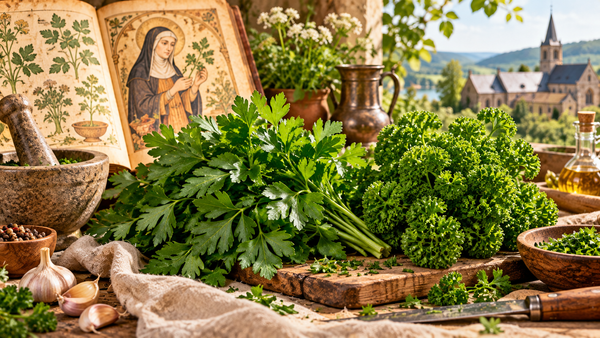
Anyone who looks at herbs without considering the old monastery healing tradition is leaving out an entire cultural layer. In medieval monastery gardens – from Charlemagne's Capitulare de villis to Hildegard von Bingen – herbs had a fixed place. They were seasoning, tradition, comfort and part of an ordered way of life.
Hildegard von Bingen wrote in the 12th century about numerous plants that we today take for granted in the garden – galangal, pellitory, hyssop, parsley, fennel, savory. What makes her herbalism special: she does not isolate individual substances, but always thinks of herbs in the context of life as a whole. More on this in our article on nutrition according to Hildegard von Bingen and on the Hildegard teachings overview.
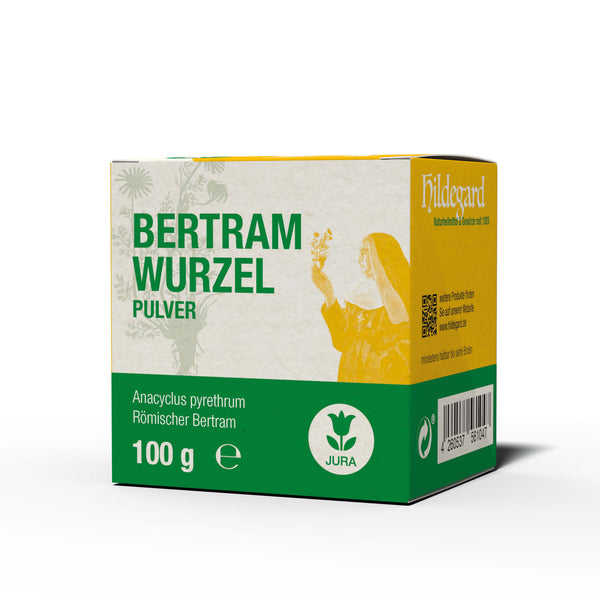
For those who want to try individual Hildegard herbs: galangal is the entry-level classic, joined by pellitory root, hyssop and many more from our herb range.
Herbal teas: from the garden into the cup
An infusion of fresh or dried herbs is one of the oldest and most beautiful ways to bring a plant into everyday life. When it comes to classic herbal teas, almost every culture has its own favourites: peppermint and sage in Central Europe, verbena and chamomile in France, maté in South America.
Classic representatives from the monastery tradition:
- Lemon balm tea – gentle, lemony
- Sage tea – savoury, slightly bitter
- Chamomile tea – mild, soothing in character
- Linden blossom tea – traditional winter classic
- Fennel tea – mild, slightly sweet
- Nettle tea – herbal, mineral
Those who want to try blends grown from the monastery tradition will find various traditional recipes in our herbal tea range.
Herbs in the kitchen – the small great transformers
A good dish often only needs a little of them. Here are a few classics that show how much herbs can change a meal:
- Frankfurt green sauce – seven herbs (parsley, chives, chervil, cress, sorrel, borage, salad burnet) as the base
- Herb butter – usually with parsley, garlic, chives, sometimes tarragon
- Herb quark – chives, parsley, dill, possibly some wild garlic
- Herb dip – soured cream or crème fraîche with chopped herbs, salt, pepper
- Herb tear-and-share bread – bread dough with garlic and herb butter
- Herb cream cheese – cream cheese with chopped herbs, ready in five minutes
What all these classics have in common: they work best with fresh herbs. Anyone who has a small pot of herbs on the windowsill is always one step ahead with these dishes.
Which herbs grow in the shade?
Not everyone has a south-facing balcony. But there are herbs that feel at home in the shade too:
- Parsley
- Chives
- Peppermint
- Wild garlic (in spring)
- Woodruff
- Chervil
- Sorrel
Mediterranean herbs, on the other hand, need sun. Anyone with a shady balcony who tries rosemary will rarely be happy – that simply isn't the climate in which the plant thrives.
Winter-hardy herbs
Anyone laying out a herb garden or herb bed should plan for a few perennials – these stay at their location year after year and save the effort of replanting annually:
| Herb | Winter hardiness |
|---|---|
| Chives | Fully winter-hardy |
| Thyme | Winter-hardy, light covering advisable |
| Sage | Usually winter-hardy |
| Oregano | Winter-hardy |
| Mountain savory | Winter-hardy |
| Peppermint | Fully winter-hardy |
| Rosemary | Conditionally winter-hardy, protection needed |
| Lavender | Winter-hardy in the right location |
Annual herbs such as basil, dill or savory must be sown fresh each year – that is not a problem, but part of the rhythm of the herb garden.
Where to buy herbs?
The choice today is wide: weekly markets, garden centres, health food shops, online shops. Those who want to pay attention to quality should keep a few things in mind:
- Organic origin – especially for herbs that are processed raw
- Freshness is recognisable by a firm, glossy leaf – no wilting
- For dried herbs: a strong natural scent when opening the jar
- Trustworthy producers with tradition
Hildegard herbs and traditional blends from the monastery tradition can be found in our herb range.
A brief note: salmonella recalls
In recent years there have been occasional recalls of packaged herbs due to salmonella contamination. Those who want to be on the safe side should briefly blanch fresh herbs or use them exclusively when heated – especially for children, pregnant women and immunocompromised individuals. A little caution doesn't hurt, without having to eye every pot plant with suspicion.
Further reading
- Hildegard herbs overview
- Nutrition according to Hildegard von Bingen
- Hildegard's teachings overview
- Bitter herbs
- Pepper herb – the forgotten seasoning herb
- Pellitory root
- Galangal according to Hildegard
- Herb range
- Herbal teas
Frequently asked questions about herbs
Which herbs go together?
Mediterranean herbs such as thyme, rosemary, sage and oregano go together both in flavour and in the bed – they all like sun, poor soil and little water. Water-loving herbs such as parsley, dill and basil need their own bed.
Which herbs are incompatible?
Well-known "pairs that don't get along" are basil and lemon balm, parsley and chives, and tarragon and basil. Peppermint spreads over everything and belongs in its own pot.
When should herbs be planted?
Perennial, winter-hardy herbs are best placed in the bed in spring or early autumn. Frost-sensitive ones such as basil should only go outside after the Ice Saints in mid-May.
How do I dry herbs properly?
Tie into small bundles, hang upside down in a shady, airy and dry place. Avoid sun – it destroys the essential oils. After one to two weeks, fill into dark, airtight jars.
Which herbs are better frozen?
Delicate herbs such as basil, parsley, chives, dill or tarragon. They lose too much aroma when dried. Freezing in ice cube trays with water or oil works well.
Which herbs are in herbs of Provence?
Classic: thyme, rosemary, savory, lavender and tarragon. Some blends also contain oregano or marjoram.
Which herbs grow in the shade?
Parsley, chives, peppermint, wild garlic, woodruff, chervil and sorrel manage well with little sun.
Which herbs are winter-hardy?
Chives, thyme, sage, oregano, mountain savory, peppermint and lavender. Rosemary is only conditionally winter-hardy and needs protection in harsher locations.
What does the Hildegard tradition say about herbs?
Hildegard von Bingen writes in her Physica about numerous plants – galangal, pellitory, hyssop, fennel, parsley and many more. Her teachings always consider herbs in the context of life as a whole – not as individual remedies, but as part of an ordered, moderate diet.
Note: This article is intended solely for general information about plants, gardening and tradition. It does not constitute medical or therapeutic advice.